The provided guide explores the nomadic lifestyle, detailing financial sustainability, remote work logistics, and top destinations. It offers actionable strategies for maintaining mental health and productivity while traveling the globe.
Escape the cubicle and embrace true freedom. This guide explores the nomadic lifestyle, offering actionable strategies to help you transition into a world of borderless living and professional independence.
We cover everything from financial planning and remote work logistics to mental health and community building. You will learn how to sustain a location-independent life while avoiding common pitfalls that hinder modern travelers.
The Evolution of the Nomadic Lifestyle
The concept of a nomadic lifestyle has shifted from a fringe movement to a mainstream professional choice. In 2026, the infrastructure supporting global mobility is more robust than ever. High-speed satellite internet and favorable digital nomad visas have lowered the barrier to entry for millions. Understanding this shift is vital for anyone looking to ditch the traditional 9-to-5.
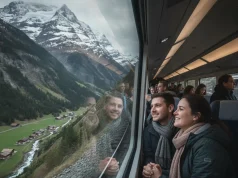
Historically, nomadism was tied to survival or seasonal shifts. Today, it is tied to digital infrastructure and personal autonomy. The rise of the gig economy and decentralized workforces means that your office can be a beach in Bali or a mountain hut in the Swiss Alps. This transition requires a mindset shift from “vacationing” to “living,” where work-life balance is replaced by work-life integration.
Essential Pillars of Location Independence
To thrive in a nomadic lifestyle, you must establish strong foundations. It isn’t just about booking a flight; it’s about creating a portable ecosystem that supports your needs.
1. Financial Sustainability
Before you pack your bags, you need a steady income stream. This usually comes from three sources: remote employment, freelancing, or passive income. According to FlexJobs, the number of remote-friendly roles has tripled in the last five years, making it easier to find stable work while on the move.
2. Legal and Tax Compliance
Managing your “tax home” is one of the most complex parts of this journey. Many nomads utilize Digital Nomad Visas, which allow legal residency for remote workers in countries like Portugal, Estonia, and Costa Rica. Ignoring these legalities can lead to heavy fines or deportation.
3. Digital Connectivity

Your career depends on your connection. Investing in a Starlink Mini or high-quality local SIM cards is non-negotiable. Always research the internet speeds of a destination via platforms like Nomad List before finalizing your stay.
Top Destinations for Modern Nomads
Choosing the right location impacts your budget, productivity, and social life. The nomadic lifestyle allows you to arbitrage your income—earning in a strong currency while spending in a weaker one.
Southeast Asia: The Classic Choice
Thailand and Vietnam remain top contenders due to their low cost of living and incredible food. Chiang Mai, often called the “Nomad Capital,” offers a dense network of co-working spaces and social meetups.
Europe: The Emerging Hubs
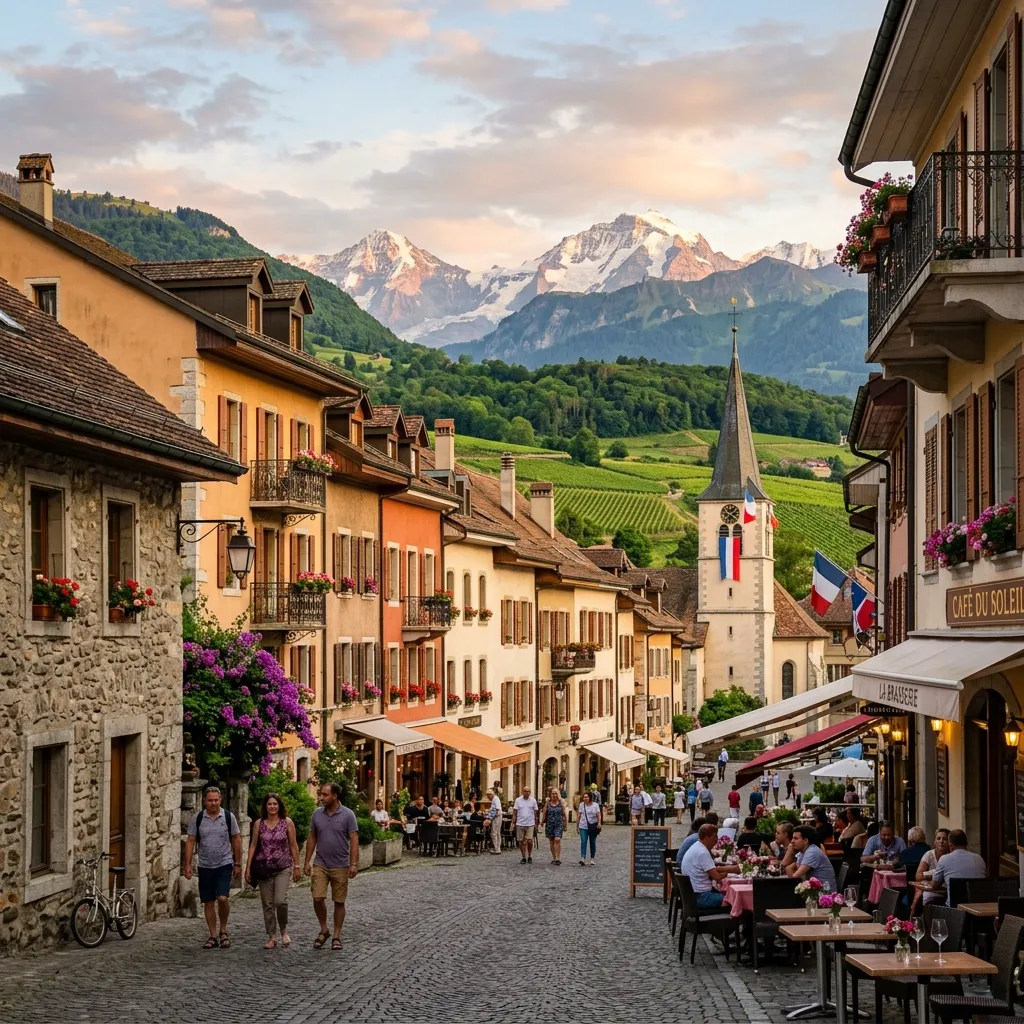
Eastern Europe, specifically cities like Bansko, Bulgaria, and Tbilisi, Georgia, offer affordable lifestyles with European charm. These locations are perfect for those who want a nomadic lifestyle without the chaotic pace of Southeast Asian metropolises.
Latin America: The Time-Zone Friendly Option
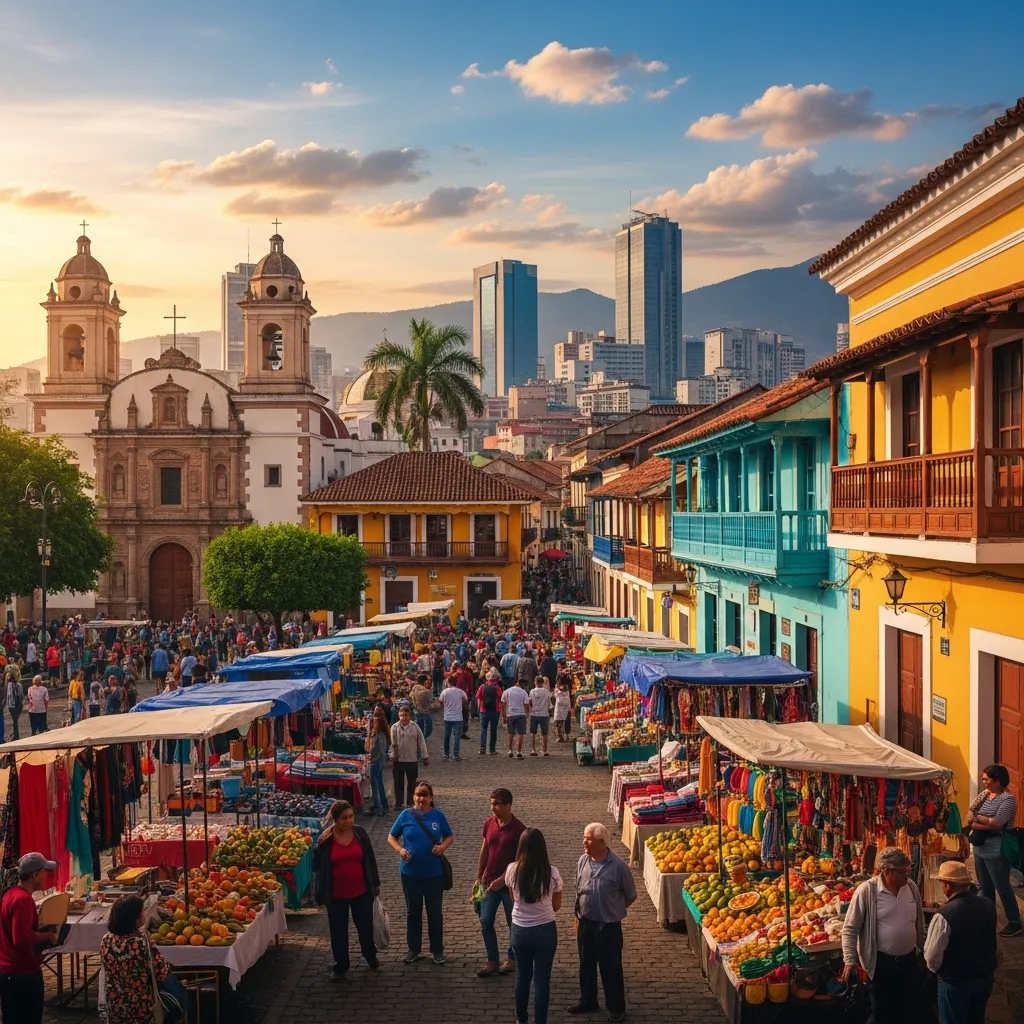
For those working North American hours, Mexico City and Medellin are unbeatable. They offer vibrant cultures, excellent coffee shops, and a community of like-minded professionals.
Navigating the Challenges of Long-Term Travel
While the Instagram photos look perfect, a nomadic lifestyle has its hurdles. Loneliness and “travel burnout” are real phenomena that can derail your journey.
- Community Building: Join local expat groups or stay in coliving spaces to meet people quickly.
- Routine: Establish a morning routine that travels with you. Whether it’s yoga or a specific coffee ritual, consistency breeds productivity.
- Health: Prioritize Global Health Insurance and local gym memberships to maintain your physical well-being.
Comparison: Coliving vs. Traditional Rentals
| Feature | Coliving Spaces | Traditional Airbnb/Rental |
| Cost | Higher (All-inclusive) | Moderate to Low |
| Community | Built-in social network | Isolated |
| Internet | Guaranteed high-speed | Hit or miss |
| Flexibility | Weekly/Monthly terms | Often requires longer stays |
Tools and Gear for the Road
Your backpack is your life. Minimalism is the key to a successful nomadic lifestyle.
- Hardware: A lightweight, powerful laptop and noise-canceling headphones are essential.
- Software: Use VPNs for security and project management tools like Notion or Trello to keep your work organized across time zones.
- Luggage: A high-quality 40L carry-on backpack allows you to skip baggage fees and move quickly between destinations.
Pro Tips for Aspiring Nomads
Success in a nomadic lifestyle often comes down to the small details.
- The 3-3-3 Rule: Stay at least 3 weeks in a place, work 3 solid hours in the morning, and spend 3 hours exploring in the afternoon.
- Geo-Arbitrage: Earn in Dollars/Euros and live in countries where your purchasing power is 3x higher.
- Slow Travel: Avoid hopping cities every few days. Slowing down reduces stress and lowers your carbon footprint.
Common Mistakes to Avoid
Many people fail at the nomadic lifestyle because they treat it like a permanent holiday.
- Overspending Early: It’s easy to blow your budget on fancy dinners in the first week. Treat your finances with discipline.
- Ignoring Local Etiquette: Always learn basic phrases in the local language. It opens doors and earns respect.
- Poor Data Security: Never use public Wi-Fi without a VPN. Your professional data is your most valuable asset.
Future Trends: The Nomadic Lifestyle in 2027 and Beyond
We are moving toward a “Border-as-a-Service” model where countries compete for talent. Expect more universal digital nomad passports and specialized insurance products. The nomadic lifestyle is no longer just for tech workers; we see teachers, lawyers, and even medical consultants joining the movement.
According to The World Bank, the rise of digital labor platforms is transforming how developing nations interact with the global economy. This means more infrastructure in remote areas, making “off-grid” nomadism a viable reality.
Sustaining Mental Health and Relationships
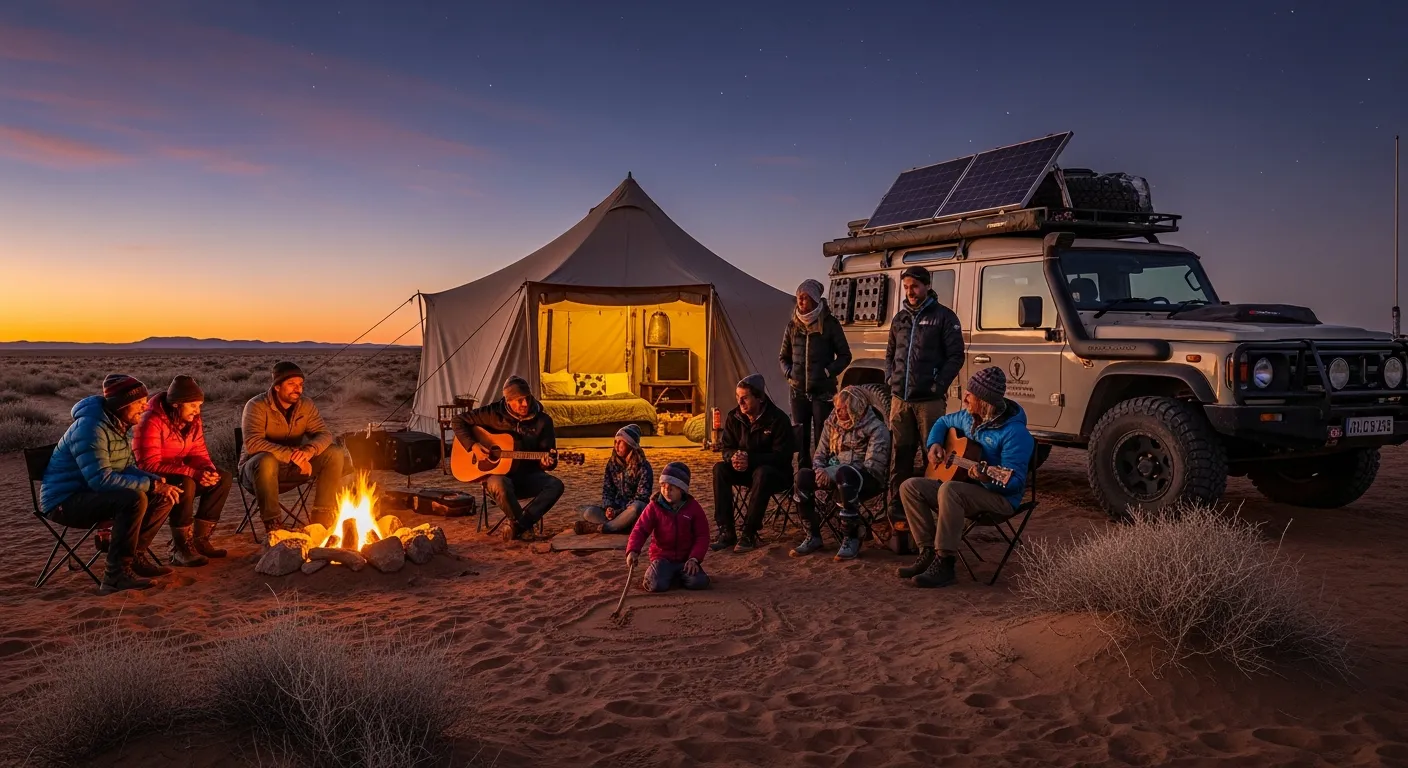
The hardest part of a nomadic lifestyle isn’t the logistics—it’s the emotional toll. Constant goodbyes can lead to “nomad fatigue.” To combat this, many choose a Hub and Spoke model: having a base for 6 months and traveling for the other 6.
Maintaining long-distance relationships requires intentionality. Schedule regular video calls with family and friends back home. Don’t let your “cool” lifestyle isolate you from the people who know you best.
Conclusion
The nomadic lifestyle is a powerful tool for personal and professional growth. It challenges your biases, expands your worldview, and offers a level of freedom that a desk job simply cannot match. By focusing on sustainability, community, and disciplined work habits, you can turn the world into your office. The journey begins with a single step—or in this case, a single flight. Embrace the nomadic lifestyle and redefine what it means to live. Start your journey today!
FAQs
1. How much money do I need to start a nomadic lifestyle?
A safety net of 3 to 6 months of living expenses is recommended. In budget-friendly areas, this could be as little as $5,000, while more expensive regions may require $15,000+.
2. How do nomads handle taxes?
Most nomads remain tax residents of their home country unless they establish residency elsewhere. However, laws vary, and consulting a specialized expat tax professional is highly recommended.
3. Is the nomadic lifestyle suitable for families?
Yes. “Worldschooling” is a growing trend where families travel together, using the world as a classroom. It requires more planning but offers unique bonding opportunities.
4. What are the best jobs for nomads?
Software development, digital marketing, copywriting, graphic design, and online teaching are the most common and accessible paths.
5. How do I find reliable internet while traveling?
Use apps like Speedtest or check “Work from Home” filters on booking sites. Many nomads also carry a portable Wi-Fi hotspot as a backup.
6. Do I need special insurance?
Yes. Standard travel insurance usually only covers short trips. You need Global Health Insurance designed for nomads, covering you in multiple countries.
7. Can I be a nomad if I’m not a tech expert?
Absolutely. Any job that can be done via a computer can be done nomadically. Virtual assistants, project managers, and even therapists are now working remotely.
8. How do I deal with loneliness?
Join co-working spaces, attend “Nomad Meetups,” and use apps like Bumble BFF or Facebook Groups to find local communities.
9. What is the biggest downside of this lifestyle?
The lack of a consistent routine and the constant need to plan logistics (flights, visas, accommodation) can be mentally draining over time.
10. How long should I stay in one place?
For the best balance of productivity and exploration, 1 to 3 months per location is ideal. This allows you to settle in and find a rhythm without getting bored.