This guide breaks down exactly what is a nomad lifestyle, exploring the different variations, essential preparations, and daily realities. You will learn how to choose the right path, avoid costly beginner mistakes, and build a sustainable, fulfilling life on the road.
The Core Concept: What is a Nomad Lifestyle?
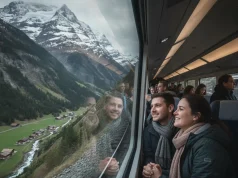
To truly grasp what is a nomad lifestyle, we must look beyond the curated social media feeds of people typing on laptops by the beach. At its core, a nomadic lifestyle involves moving from one location to another rather than settling permanently in one place. Historically, nomads moved to find pasture for livestock or to trade goods. Today, modern technology allows people to move for adventure, personal growth, and a better work-life balance.
Living this way requires intentionality. You trade the comfort of a fixed address for the freedom of geographic mobility. Whether you want to travel full-time or just spend half the year away from your home base, understanding what is a nomad lifestyle helps you prepare for the practical realities of life in transit.
The Different Types of Nomads
When asking what is a nomad lifestyle, you must realize it is not a one-size-fits-all experience. Different people adapt the lifestyle to fit their personal, financial, and spiritual goals. Here are the most prominent types of nomads you will encounter.
The Digital Nomad
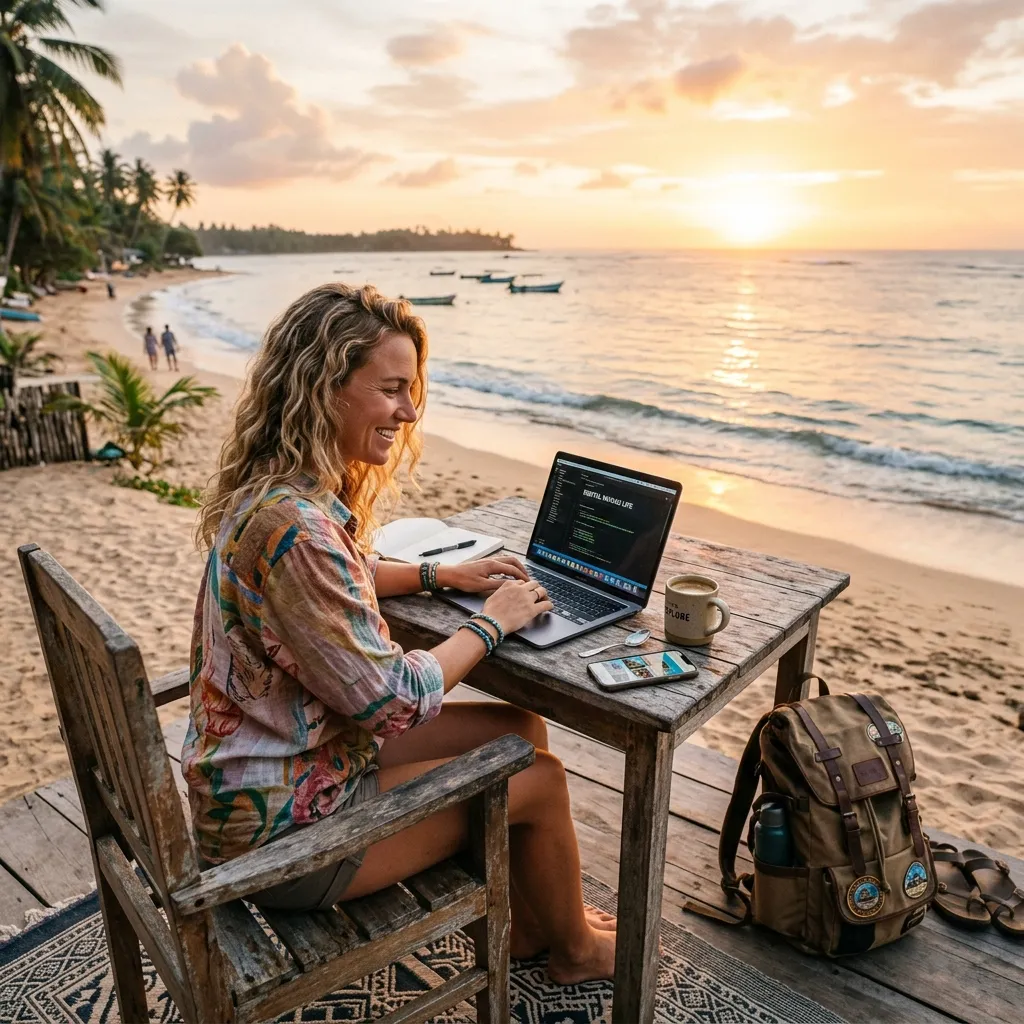
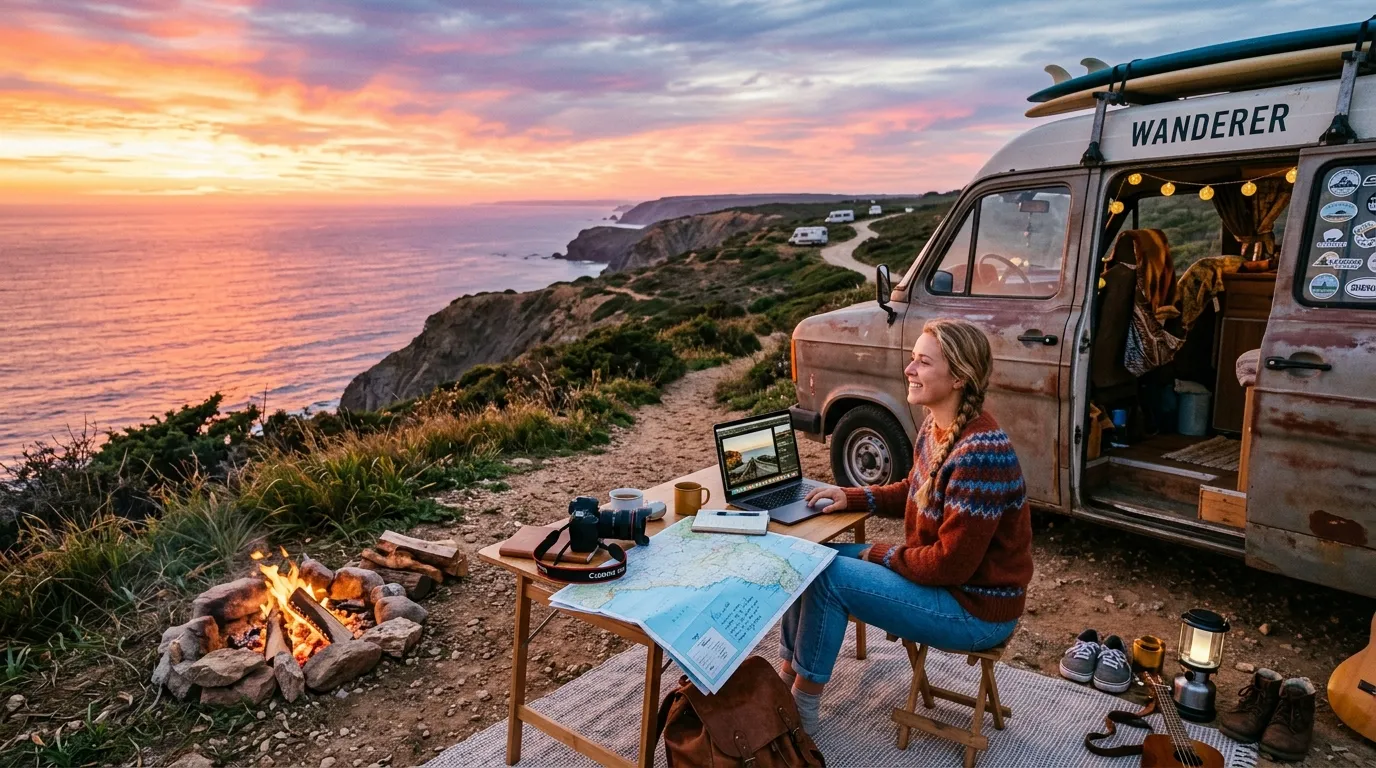
A digital nomad relies heavily on the internet and technology to make a living while traveling. They perform remote work for clients, run online businesses, or work as freelancers. This path offers incredible freedom, as your income source completely detaches from your physical location. However, digital nomads spend a significant amount of time hunting for reliable Wi-Fi and quiet workspaces.
The Corporate Nomad

Also known as a remote work nomad, this individual maintains a traditional corporate job but negotiates the ability to work from anywhere. They enjoy the security of a steady paycheck, health benefits, and career progression while actively practicing geo-arbitrage to stretch their salary in countries with a lower cost of living. The challenge here is managing time zones and maintaining visibility within a traditional company hierarchy.
The Spiritual Nomad
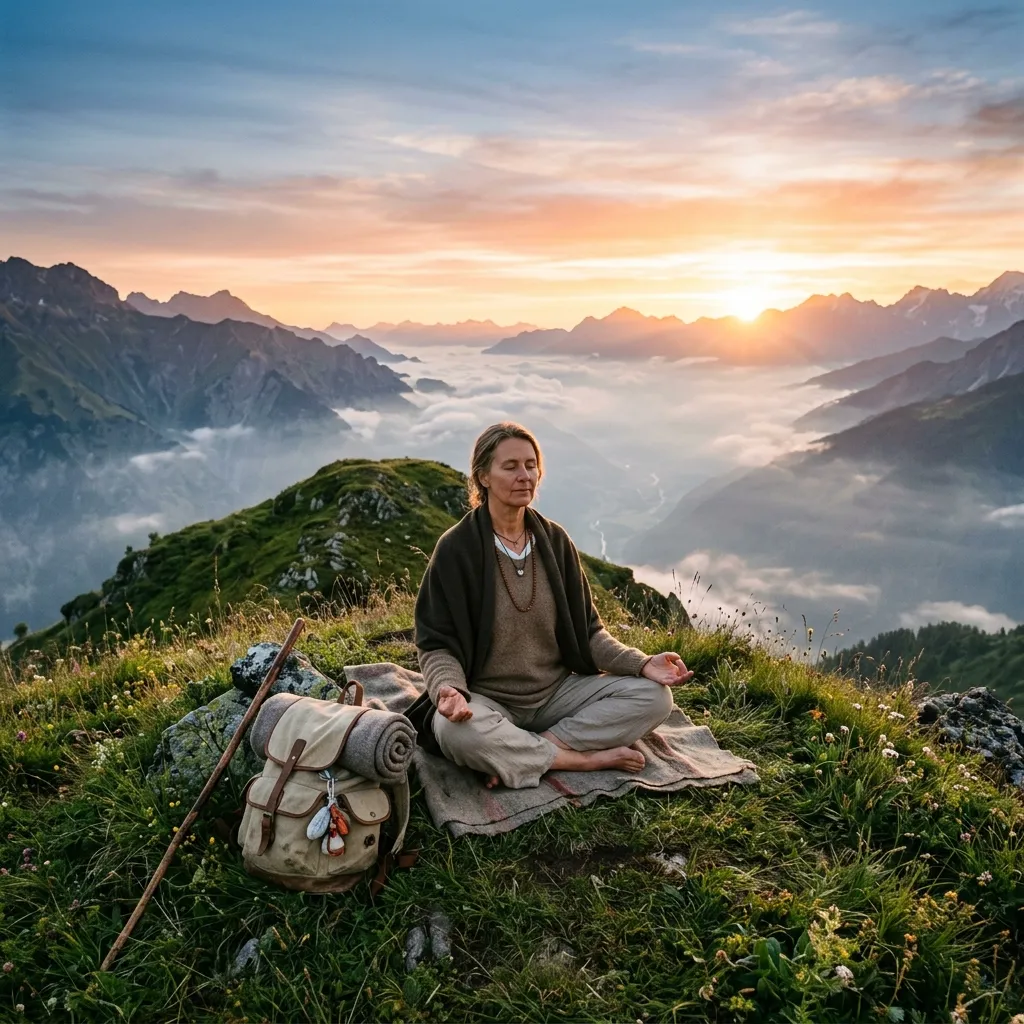
For the spiritual nomad, travel acts as a catalyst for internal growth rather than just sightseeing. They move around the globe seeking enlightenment, meaning, and deeper connections with diverse cultures. You will often find spiritual nomads engaging in slow travel, spending months at a time in ashrams, retreat centers, or eco-villages.
The Half-and-Half Nomad
Some people love the idea of exploring but still crave a home base. The half-and-half nomad cycles between working intensely in one location—often doing seasonal jobs—and traveling for the rest of the year. This approach offers a fantastic balance for those who want the stability of a community for part of the year and the thrill of the unknown for the remainder.
The Retired Nomad
Retirement no longer means settling down in a quiet neighborhood. Many retirees now realize their pensions or retirement funds stretch much further abroad. These nomads travel in RVs across the country or hop between affordable international destinations, enjoying their golden years without the pressure of having to generate an income on the road.
The Volunteer or House-Sitting Nomad
This path relies on the sharing economy. Platforms that connect homeowners with house sitters allow these nomads to travel the world with minimal accommodation expenses. In exchange for caring for pets or maintaining a property, they get a free place to stay. While this massively reduces the cost of living, it does restrict spontaneity, as you must commit to specific dates and responsibilities.
Comparison Table of Nomadic Lifestyles
|
Nomad Type |
Primary Income Source |
Flexibility Level |
Main Advantage |
Main Challenge |
|---|---|---|---|---|
|
Digital Nomad |
Freelancing / Online Business |
High |
Total location independence |
Unpredictable income streams |
|
Corporate Nomad |
Traditional Employer |
Medium |
Financial stability and benefits |
Managing time zone differences |
|
Spiritual Nomad |
Savings / Odd Jobs |
Very High |
Deep personal growth |
Potential financial instability |
|
Retired Nomad |
Pensions / Investments |
Very High |
No work obligations |
Health and insurance logistics |
|
House-Sitting |
Savings / Remote Work |
Low to Medium |
Free accommodation globally |
Lack of spontaneous travel |
Benefits and Challenges of the Nomadic Lifestyle
To fully answer what is a nomad lifestyle, we must look objectively at both the soaring highs and the frustrating lows.
The Incredible Benefits
The most obvious benefit is freedom. You wake up and decide where you want to be. This level of autonomy fosters incredible personal growth, adaptability, and resilience.
Embracing digital nomadism also allows for financial optimization. By earning a strong currency and spending it in a country with a lower cost of living, you can aggressively save money, invest, or simply enjoy a higher quality of life than you could back home. Furthermore, constant exposure to new cultures broadens your worldview and encourages a mindset of global citizenship.
The Hidden Challenges
Loneliness serves as the biggest hurdle for most travelers. While you constantly meet new people, forming deep, lasting relationships takes effort when everyone is transient.
Logistics also consume a massive amount of time. Booking flights, researching visa requirements, finding short-term rentals, and securing reliable internet all act like a part-time job. Additionally, career progression can stall for nomad entrepreneurs if they focus too much on travel and not enough on business development.
Practical Advice for Aspiring Nomads
Transitioning to this way of life requires meticulous planning. You cannot simply pack a bag and hope for the best.
1. Financial Planning and Safety Nets
Before you book a one-way ticket, build an emergency fund that covers at least six months of living expenses. Track your spending rigorously. Set up multiple bank accounts that do not charge international withdrawal fees, and always carry backup credit cards. Earning money on the road can be unpredictable, so a strong financial runway keeps you safe during dry spells.
2. Securing Remote Work Opportunities
If you do not already have a remote job, start building marketable skills. Web development, copywriting, graphic design, and digital marketing consistently rank among the most portable careers. Use freelance platforms to build a portfolio before you leave. If you are currently employed, pitch a remote work trial to your boss, highlighting how it will improve your productivity.
3. Building Community on the Road
Combat the isolation of travel by intentionally seeking out connections. Join co-living spaces where you instantly integrate into a community of like-minded individuals. Attend local meetups, join online nomad forums, and use social media groups to find people in your current city. Location independent workers thrive when they support one another.
4. Navigating Visas and Legalities
Never ignore visa rules. Overstaying a tourist visa carries severe consequences, including hefty fines and bans from re-entering countries. Research countries that offer specific digital nomad visas, which allow you to live and work legally for extended periods. Keep digital copies of all your important documents in a secure cloud storage system.
Common Mistakes to Avoid
Even the most prepared travelers stumble. Keep these common pitfalls in mind as you start your journey.
- Moving Too Fast: The desire to see everything often leads to travel burnout. Changing cities every few days destroys your productivity and exhausts you physically. Embrace slow travel instead.
- Ignoring Health Insurance: Assuming you will not get sick is a dangerous gamble. Always carry comprehensive global health insurance that covers emergency evacuations.
- Failing to Establish a Routine: When you lack a traditional office, the lines between work and leisure blur. Establish strict working hours to maintain your focus and prevent burnout.
- Overpacking: Lugging a massive suitcase up five flights of stairs in a foreign city quickly cures you of the desire to overpack. Bring versatile layers and buy specific items locally when needed.
Pro Tips and Expert Insights
To thrive rather than just survive, seasoned travelers recommend treating your lifestyle as a serious endeavor.
Invest in high-quality gear. A reliable laptop, an ergonomic travel stand, and a universal power adapter form the foundation of your portable office. Always carry a portable Wi-Fi hotspot or make sure your phone has an unlocked, international data plan for emergencies.
Experts also suggest leaning heavily into routine when your environment constantly changes. If your physical location changes every month, keep your morning routine identical. Wake up, exercise, drink coffee, and read before opening your laptop. This internal consistency anchors your mind, making it easier to focus and remain productive no matter what city you wake up in.
Conclusion
Understanding what is a nomad lifestyle opens the door to unparalleled freedom, growth, and adventure. While it requires discipline, financial planning, and a willingness to embrace uncertainty, the rewards of exploring the world on your own terms remain unmatched. Take the leap, start planning your transition today, and discover exactly what is a nomad lifestyle for yourself.
FAQs
1. How do nomads make money while traveling?
Most nomads sustain their travels through freelance work, remote employment, or online businesses. Popular fields include writing, programming, graphic design, consulting, and digital marketing. Others rely on savings, investments, or seasonal offline jobs.
2. Is the nomad lifestyle expensive?
It entirely depends on your destination and habits. Living in high-cost cities like London or Tokyo requires a substantial income. However, leveraging geo-arbitrage in regions like Southeast Asia or Latin America often makes the lifestyle cheaper than staying in a major Western city.
3. Do I need a special visa to be a digital nomad?
Many nomads travel on standard tourist visas, though legally working on these can operate in a grey area depending on local laws. Fortunately, dozens of countries now offer official digital nomad visas that allow remote workers to live and legally work for up to a year or more.
4. How do nomads handle healthcare and insurance?
Responsible nomads purchase specialized global health insurance or travel medical insurance designed for long-term travelers. These policies cover emergency medical care, hospital visits, and sometimes routine check-ups globally.
5. What is the biggest challenge of living on the move?
Loneliness and lack of deep community rank as the top challenges. Constantly saying goodbye to new friends takes an emotional toll. Additionally, balancing work commitments with the desire to explore a new destination requires intense time management.
6. Can families adopt a nomadic lifestyle?
Yes. “Worldschooling” is a growing movement where families travel full-time, using the world as their children’s classroom. It requires careful logistical planning regarding education and healthcare, but thousands of families successfully live this way.
7. How do I get mail and packages while traveling?
Nomads use virtual mailbox services. These companies receive your physical mail, scan the envelopes, and allow you to decide whether to open, scan the contents, forward the package, or shred the documents entirely online.
8. What should I pack for a nomadic life?
Pack extremely light. Prioritize a reliable laptop, noise-canceling headphones, versatile clothing you can layer, basic toiletries, and a universal travel adapter. Buy everything else locally as you need it to avoid carrying heavy luggage.
9. How do nomads deal with taxes?
Tax obligations depend on your citizenship and residency status. US citizens must file taxes regardless of where they live, though they can often claim the Foreign Earned Income Exclusion. Always consult with an expat tax professional to ensure compliance.
10. Is it safe to travel the world full-time?
Generally, yes, but it requires common sense. Research the safety of neighborhoods before booking accommodation, avoid walking alone at night in unfamiliar areas, keep digital backups of important documents, and trust your intuition.