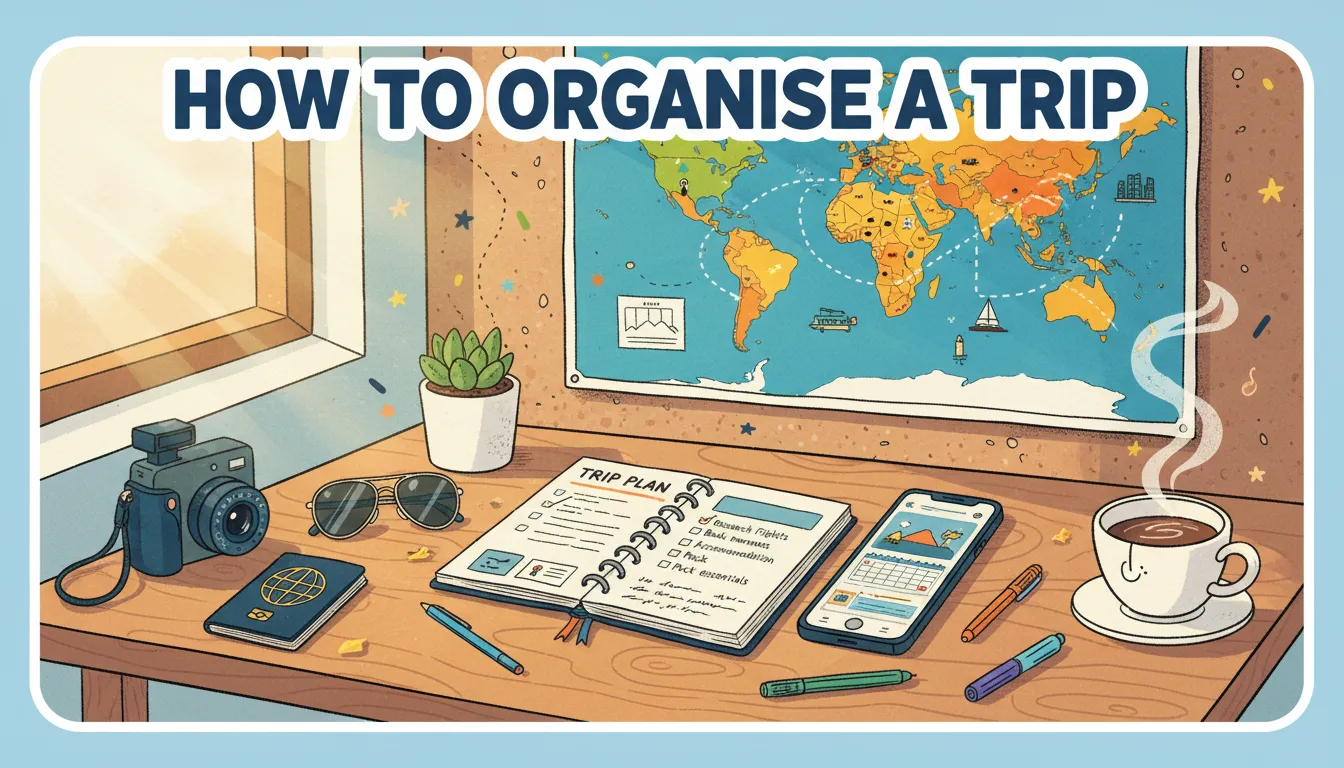
This comprehensive guide breaks down the travel planning process into actionable steps. You will discover budget hacks, itinerary planning strategies, packing tips, and expert advice. Learn how to avoid common pitfalls and master the art of seamless travel preparation.
Every successful vacation begins with a solid foundation. Figuring out how to organise a trip requires you to establish clear parameters before you look at flights or hotels. Planning a journey involves balancing your desires with practical constraints like time and money.
Define Your Travel Goals and Budget
The first step in any travel planning process involves defining your purpose. Ask yourself what you want to achieve. Do you seek relaxation on a beach, cultural immersion in a historic city, or adrenaline-pumping adventures?
Once you establish your goal, lock down your budget. Your budget dictates every subsequent decision. Break your finances into categories:
- Transportation (flights, trains, rental cars)
- Accommodation (hotels, hostels, vacation rentals)
- Food and dining
- Activities and excursions
- Emergency funds
Tracking expenses early helps you stay on target. We highly recommend using dedicated budgeting tools to keep your finances organized.
Choosing the Perfect Destination
Selecting a destination becomes simple once you know your budget and goals. Research weather patterns, local seasons, and major events. Traveling during the shoulder season often provides the best balance of good weather and lower prices. Consult resources like the World Health Organization (WHO) for travel advisories or health requirements before committing to a location.
Mini-Conclusion: Foundation Phase
By locking in your budget and destination first, you eliminate decision fatigue. You build a framework that makes the rest of the planning process significantly easier.
Step-by-Step Travel Planning Mastery
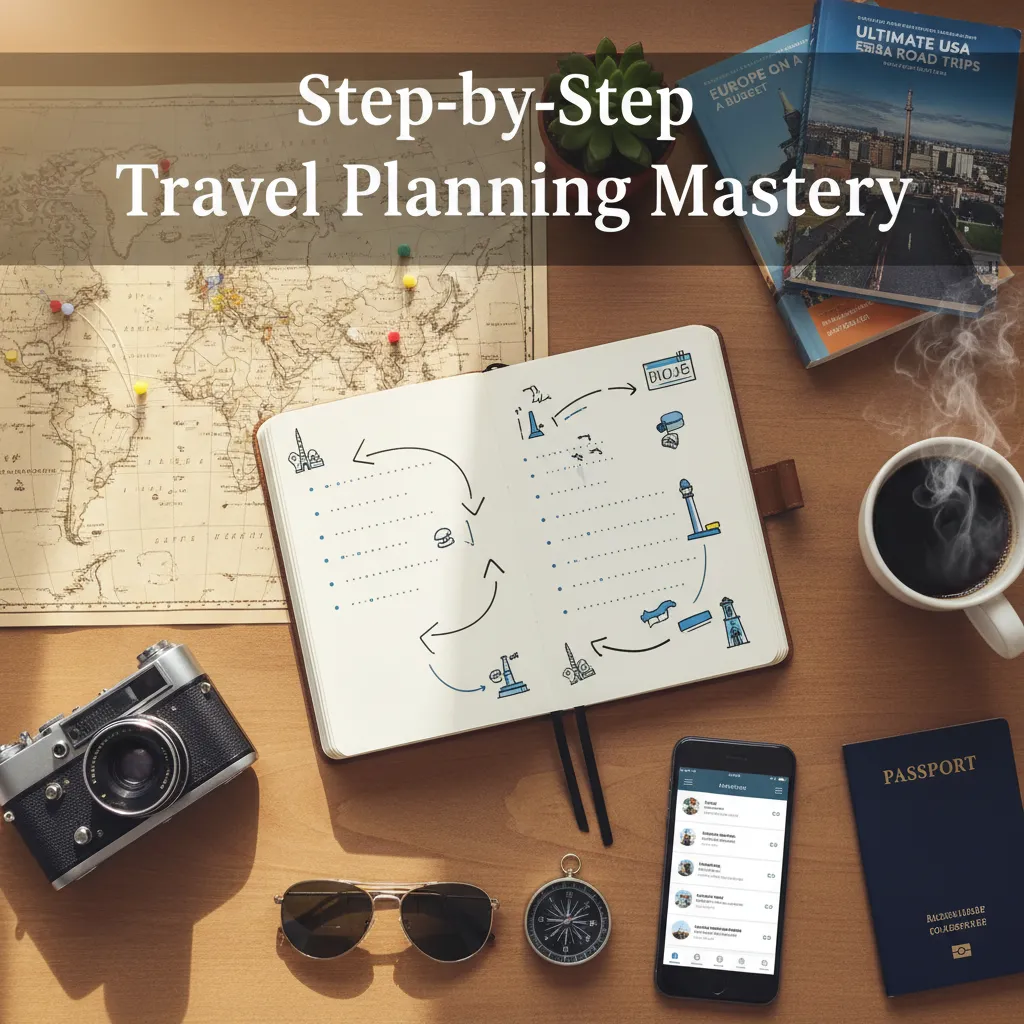
When you know how to organise a trip logically, you save money and reduce anxiety. Secure the big-ticket items first.
Booking Flights and Transportation
Airfare usually consumes a large portion of your travel budget. Track prices using flight aggregators early. Set up price alerts to catch drops in fares.
- Be flexible with your departure and return dates.
- Consider flying into alternative airports.
- Clear your browser cookies or use incognito mode when searching.
If you plan a road trip, book your rental car well in advance, especially during peak seasons. Review different transportation guides to understand local transit systems at your destination.
Securing the Best Accommodation
Your lodging heavily impacts your travel experience. Choose neighborhoods that align with your itinerary to save time on daily transit.
When booking, consider:
- Proximity to public transit
- Included amenities (breakfast, Wi-Fi, laundry)
- Cancellation policies
Booking platforms offer varied options, but sometimes contacting a hotel directly yields better rates or free upgrades.
Crafting Your Daily Itinerary
Learning how to organise a trip includes mastering the daily schedule. Over-planning leads to exhaustion, while under-planning leads to wasted days.
Balancing Activities and Downtime
Group activities by geographic location. If you want to visit three museums in Paris, schedule the ones in the same arrondissement on the same day.
- Limit yourself to one or two major activities per day.
- Leave room for spontaneous discoveries.
- Factor in travel time between locations.
Use digital mapping tools to visualize your route. Pin your hotel, major attractions, and highly-rated restaurants.
Mini-Conclusion: Itinerary Phase
A balanced itinerary keeps you engaged without burning you out. Flexibility remains the key to enjoying your carefully mapped schedule.
Essential Travel Logistics
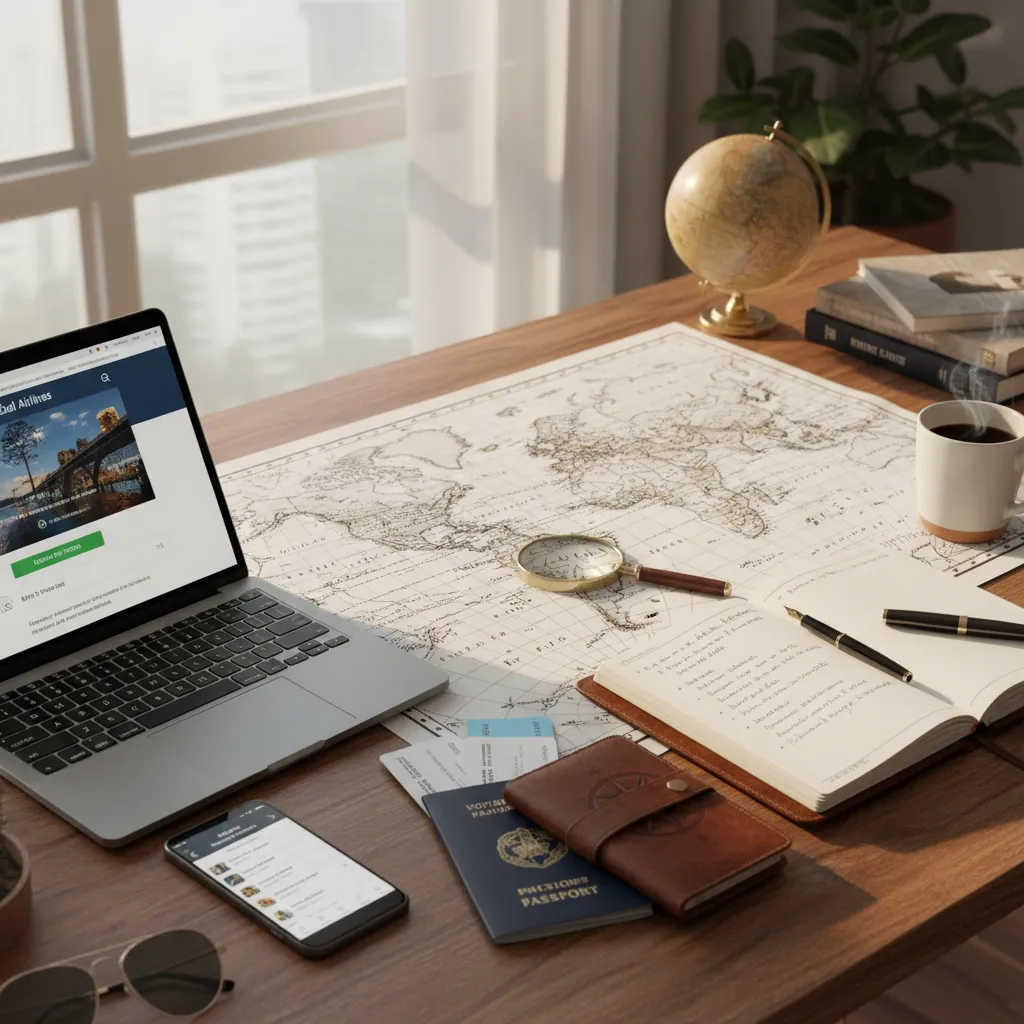
Logistics form the backbone of a successful journey. Overlooking these details can ruin even the best-planned vacation.
Passports, Visas, and Insurance
Check your passport expiration date immediately. Many countries require your passport to remain valid for six months beyond your departure date. Research visa requirements for your specific nationality.
Never skip travel insurance. A comprehensive policy protects you against medical emergencies, trip cancellations, and lost luggage. Review various travel insurance options to find a plan covering your specific activities.
Managing Money Abroad
Avoid exorbitant exchange fees by planning your currency strategy.
- Bring a credit card with no foreign transaction fees.
- Carry a small amount of local cash for initial expenses.
- Notify your bank about your travel dates to prevent card freezes.
Comparison Table: Budget vs. Luxury Travel Planning
|
Planning Element |
Budget Travel Strategy |
Luxury Travel Strategy |
|---|---|---|
|
Flights |
Budget airlines, economy class, flexible dates |
Premium airlines, business/first class, direct flights |
|
Accommodation |
Hostels, guesthouses, and staying outside the city center |
5-star hotels, luxury resorts, prime central locations |
|
Dining |
Street food, local markets, cooking your own meals |
Fine dining, Michelin-starred restaurants, and room service |
|
Activities |
Free walking tours, public beaches, and self-guided tours |
Private guides, exclusive experiences, VIP access |
|
Transit |
Public buses, trains, and walking |
Private transfers, taxis, and luxury car rentals |
Pro Tips and Expert Insights

To truly master how to organise a trip, consider these expert strategies used by seasoned globetrotters:
- The 50/50 Rule: Pack your bags, then remove half the clothes and double the money.
- Digital Backups: Email copies of your passport, visas, and itinerary to yourself and a trusted family member.
- Offline Maps: Download local maps on your phone for offline use. This saves data and prevents you from getting lost in dead zones.
- Layered Packing: Use packing cubes. Consult comprehensive packing checklists to ensure you don’t forget anything important.
Common Mistakes to Avoid
Even experienced travelers make errors when figuring out how to organise a trip. Avoid these common pitfalls:
- Ignoring the shoulder season: Peak seasons bring crowds and high prices. Traveling just before or after peak times offers a vastly superior experience.
- Overpacking: Lugging heavy bags across cobblestone streets creates instant regret. Pack versatile layers.
- Forgetting to check local holidays: Arriving in a city to find all museums and restaurants closed for a national holiday wastes a valuable travel day.
- Booking tight layovers: Always leave at least two hours for international layovers to account for flight delays and customs checks.
Conclusion
Mastering how to organise a trip transforms travel from a stressful chore into an exciting endeavor. By setting a budget, structuring your itinerary, and handling logistics early, you guarantee a memorable adventure. Start planning your next dream vacation today, and embrace the joy of seamless travel exploration.
FAQs
1. What is the first step in organizing a trip?
The first step involves defining your travel goals and establishing a strict budget. Knowing what you want to achieve and how much you can spend dictates your destination, accommodation, and daily activities.
2. How far in advance should I book flights?
For domestic trips, book flights one to three months in advance. For international travel, aim for two to six months ahead. Tracking prices early helps you secure the best possible fare.
3. How do I build a realistic travel budget?
Break your expected expenses into clear categories: flights, lodging, food, local transit, and activities. Research average daily costs for your destination and always add a 10-15% buffer for unexpected expenses.
4. What is the best way to plan a daily itinerary?
Group your desired activities by location to minimize transit time. Schedule only one or two main events per day, leaving ample time for meals, rest, and spontaneous exploration.
5. How to organise a trip for a large group?
Appoint one lead organizer to handle main bookings. Use shared spreadsheets to track costs and vote on activities. Collect money up front to avoid awkward financial situations during the vacation.
6. Do I really need travel insurance?
Yes. Travel insurance provides critical protection against medical emergencies, trip cancellations, delays, and lost baggage. It offers peace of mind and financial security while abroad.
7. How can I avoid overpacking?
Create a capsule wardrobe using versatile clothing items you can mix and match. Limit yourself to three pairs of shoes. Use packing cubes to compress items and keep your suitcase organized.
8. What should I do about my phone and data abroad?
Check if your current provider offers an international day pass. Alternatively, purchase a local SIM card upon arrival or download an eSIM before departure for affordable, seamless connectivity.
9. How do I handle money and currency exchange?
Travel with a credit card that charges zero foreign transaction fees. Use local ATMs to withdraw cash for small purchases, as they typically offer better exchange rates than airport currency kiosks.
10. How can I stay safe while traveling?
Research the safety profile of your destination beforehand. Keep digital copies of important documents, blend in with locals, stay aware of your surroundings, and avoid carrying large amounts of cash.