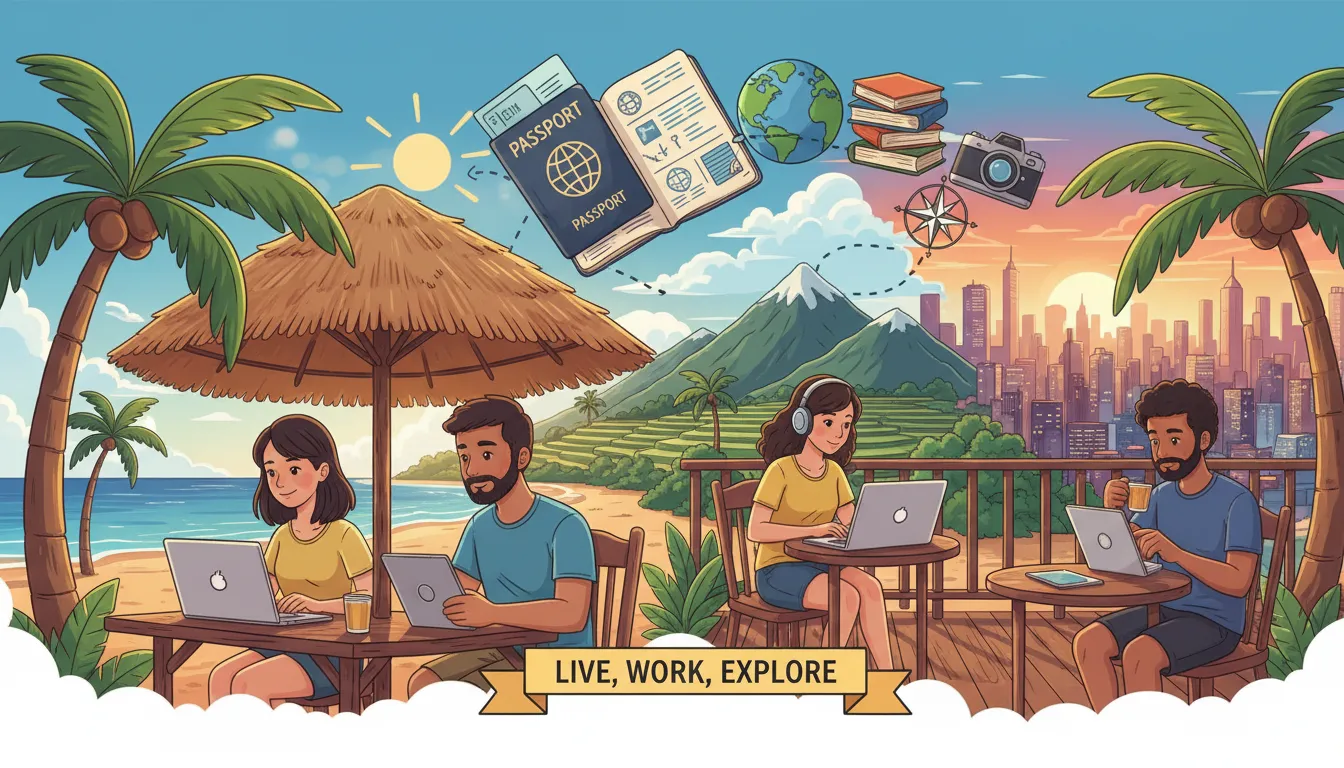
Digital Nomad Visas allow remote workers to live abroad legally, offering longer stays, flexibility, and global work opportunities while exploring countries like Portugal and Thailand.
Digital Nomad Visas are transforming how people work and travel, allowing remote professionals to live legally in foreign countries while continuing their online careers. As remote work becomes more popular, many destinations—from Portugal to Thailand—now offer special visa programs designed for freelancers, entrepreneurs, and remote employees. These visas typically provide longer stays, tax benefits, and access to local services compared to tourist visas. With flexible requirements and growing global demand, Digital Nomad Visas are opening new opportunities for professionals to explore the world without sacrificing their income or career growth.
This comprehensive guide breaks down everything you need to know about digital nomad visas. We cover eligibility requirements, application steps, and top global destinations. You will learn how to avoid common pitfalls, understand tax implications, and successfully transition to a location-independent lifestyle with confidence.
Understanding Digital Nomad Visas
Digital nomad visas are specialized residency permits designed specifically for remote workers. These legal documents allow you to reside in a foreign country while maintaining employment or managing a business based outside that host nation. Unlike standard tourist visas, which strictly prohibit local or remote work, digital nomad visas provide legal protection and peace of mind for extended stays.
Governments worldwide recognize the economic benefits of welcoming location-independent professionals. By spending money on local housing, food, and services, remote workers boost the economy without competing for local jobs. This mutual benefit has led to a massive expansion of digital nomad visas across Europe, Asia, the Americas, and the Caribbean.
If you want to stay in a destination for six months to two years, these permits represent the safest, most efficient path. They bridge the gap between short-term vacations and permanent immigration, offering the ultimate flexibility for modern professionals.
Key Benefits of Working Abroad Legally

Transitioning from a short-term visitor to a legal resident offers incredible advantages. Obtaining digital nomad visas transforms how you experience global travel and remote work.
Extended Stay Capabilities
Tourist visas usually limit your stay to 30 or 90 days. This constant need to relocate creates unnecessary stress and disrupts your workflow. Digital nomad visas typically grant residency for one to two years, allowing you to settle into a community, sign a long-term lease, and establish a productive routine.
Access to Local Infrastructure
Holding legal residency status unlocks essential services. You can open a local bank account, sign up for a mobile phone contract, and access the national healthcare system. These basic utilities make daily life significantly easier and cheaper compared to relying on international travel cards or expensive roaming plans.
Tax Optimization Opportunities
Many countries use favorable tax structures to attract remote workers. Several jurisdictions offer zero local income tax on foreign earnings. Others provide flat, reduced tax rates for the duration of your stay. Structuring your residency properly can lead to substantial financial savings.
Community Integration
Moving every few weeks makes building meaningful relationships difficult. Staying in one location for an extended period allows you to integrate into the local culture. You can learn the language, participate in neighborhood events, and build a strong network of fellow remote workers and locals.
Top Destinations Offering Digital Nomad Visas
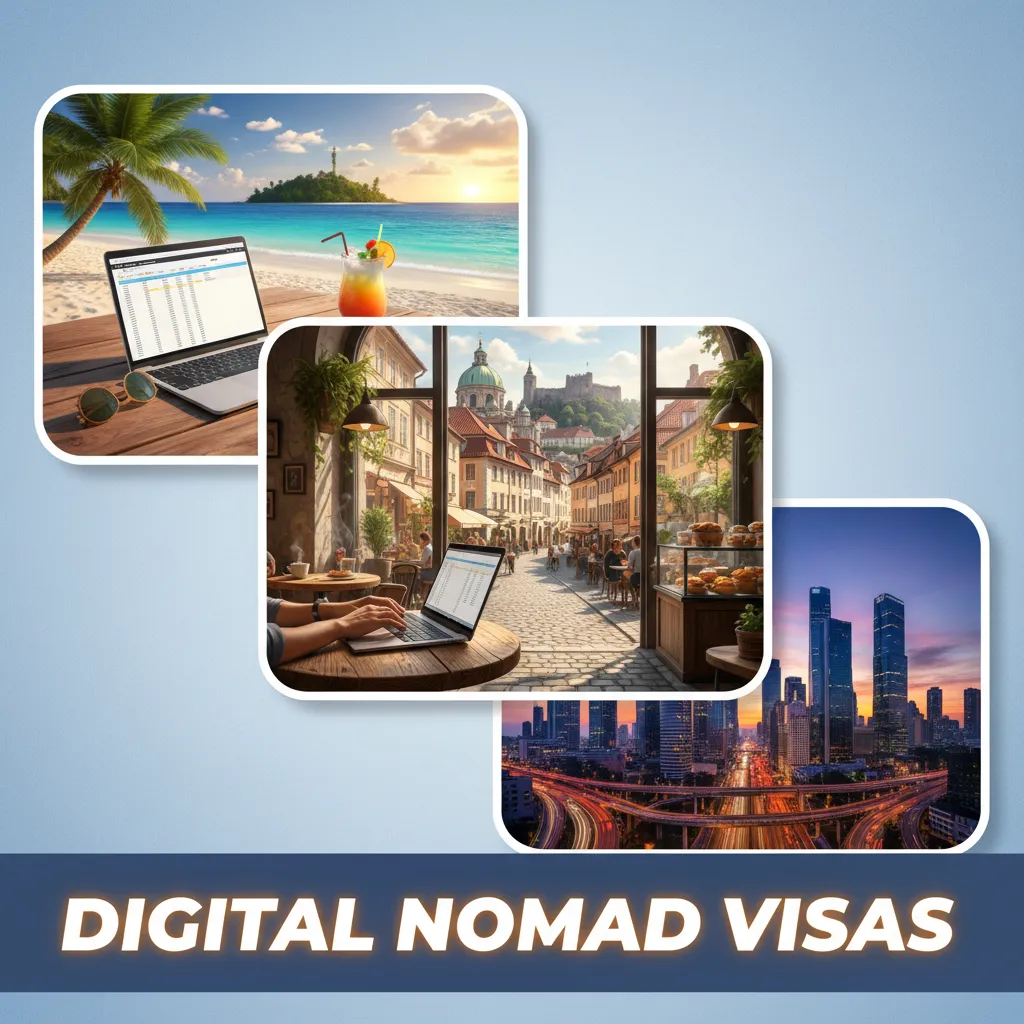
Choosing the right destination depends on your income, lifestyle preferences, and time zone requirements. Here is a detailed breakdown of the most popular countries offering digital nomad visas.
European Hotspots
Spain
Spain remains a premier destination for the independent work location industry. The country offers an excellent climate, rich culture, and a relatively low cost of living compared to Northern Europe. The Spanish program allows you to stay for up to one year initially, with renewal options extending up to three years. You must prove a monthly income of approximately $2,700 and maintain comprehensive private health insurance. Successful applicants also benefit from a reduced flat tax rate on their income.
Portugal
Portugal boasts a highly accessible program that appeals to both freelancers and remote employees. You can apply for the D8 residency permit if you earn at least four times the Portuguese minimum wage, roughly $3,200 per month. Portugal offers stunning coastlines, a massive expat community in cities like Lisbon and Porto, and high-speed internet infrastructure.
Croatia
Croatia provides a streamlined program that actually functions as a temporary residence permit. You can stay for up to 12 months, enjoying the beautiful Adriatic coastline and historic cities like Split and Dubrovnik. The financial requirement sits at around $2,600 per month. Notably, Croatia does not tax your foreign income while you hold this permit, making it highly financially attractive.
Estonia
As a pioneer in digital governance, Estonia was the first country to launch a dedicated remote work permit. The program requires a minimum monthly income of roughly $3,700. While the climate is colder, Estonia offers an incredibly advanced digital infrastructure, beautiful medieval cities, and easy access to the rest of the Schengen Area.
The Americas and the Caribbean
Costa Rica
Costa Rica attracts nature lovers and surfing enthusiasts. The country requires a monthly income of $3,000 for individuals or $4,000 for families. The application process is completely online and highly efficient. You gain access to a relaxed lifestyle, incredible biodiversity, and a supportive community of international professionals.
Colombia
Colombia has rapidly become a remote work hub, particularly the city of Medellin. Their program is highly accessible, requiring a monthly income of just $1,100. The permit allows you to stay for up to two years. Colombia offers a vibrant culture, exceptional coffee, and an incredibly affordable cost of living.
Barbados
For those seeking a tropical paradise, the Barbados Welcome Stamp is a premium option. You must demonstrate an annual income of $50,000. While the financial threshold is higher, the process is incredibly fast, and you pay zero local income tax on your earnings. The island offers world-class beaches and a welcoming English-speaking environment.
Asia and the Middle East
United Arab Emirates (Dubai)
Dubai offers a luxurious, tax-free lifestyle for high-earning professionals. You need a minimum monthly salary of $5,000 to qualify. The program provides you with a resident ID, granting access to Dubai’s world-class infrastructure, housing, and schooling. You pay absolutely no income tax while residing there.
Japan
Japan recently introduced a highly anticipated six-month permit for remote workers. You must earn approximately $65,000 annually and hold citizenship in one of the 49 eligible countries. This program allows you to experience Japan’s unique blend of ancient tradition and ultra-modern technology, from the neon streets of Tokyo to the tranquil temples of Kyoto.
Malaysia
Malaysia launched the DE Rantau Nomad Pass to attract tech and digital professionals. The income requirement is very accessible at $24,000 per year. Malaysia offers a strategic location for exploring Southeast Asia, incredible culinary diversity, and a very affordable cost of living.
Structured Comparison of Top Programs
To help you decide, we have compiled a quick comparison of the most popular digital nomad visas available right now.
|
Country |
Minimum Monthly Income |
Visa Duration |
Key Benefit |
|---|---|---|---|
|
Spain |
~$2,700 |
1 Year (Renewable) |
Path to permanent residency |
|
Portugal |
~$3,200 |
1 Year (Renewable) |
Large remote community |
|
Croatia |
~$2,600 |
12 Months |
Zero local income tax |
|
Colombia |
~$1,100 |
Up to 2 Years |
Highly affordable living |
|
Dubai (UAE) |
$5,000 |
1 Year |
World-class infrastructure |
|
Costa Rica |
$3,000 |
1 Year (Renewable) |
Fast online application |
|
Japan |
~$5,400 |
6 Months |
Rich cultural experience |
Core Eligibility Requirements
While every country sets its own specific rules, several core requirements apply universally when you apply for digital nomad visas.
Proof of Remote Employment
You must demonstrate that your income originates from outside the host country. If you are an employee, you need a formal letter from your company explicitly stating you have permission to work remotely. If you are a freelancer or business owner, you must provide business registration documents, client contracts, and recent invoices to prove your independent status.
Minimum Financial Thresholds
Governments want to ensure you can support yourself without relying on local public funds. You must provide consecutive bank statements, usually covering the last three to six months, showing a consistent influx of funds that meet or exceed their specific financial threshold.
Comprehensive Health Insurance
You cannot rely on the host country’s public healthcare system immediately. Most programs mandate that you purchase comprehensive international health insurance. This policy must cover emergency medical expenses, hospitalization, and repatriation for the entire duration of your stay.
Clean Criminal Record
Security is a top priority for immigration departments. You will need to provide a police clearance certificate or background check from your home country, and occasionally from any country where you have lived for more than six months in the past few years. These documents often require formal apostille authentication.
Valid Travel Documents
Your passport must be valid for at least six months beyond your intended return date. Additionally, you need to ensure you have enough blank pages for the necessary entry stamps and residency stickers.
Step-by-Step Application Guide
Navigating the bureaucracy of immigration can feel overwhelming. Follow this structured approach to successfully secure digital nomad visas.
Step 1: Select Your Destination
Research locations based on your income level, climate preferences, and time zone alignment with your clients or employer. Review the specific financial and legal requirements for the country you select.
Step 2: Gather Your Documentation
Start collecting your paperwork early. Request your remote work authorization letter from your employer. Order your background checks, as these often take weeks to process. Ensure your bank statements are officially stamped or verified by your financial institution.
Step 3: Translate and Authenticate
Many countries require documents submitted in their official language. Hire a certified translator to translate your background checks, financial statements, and marriage certificates if applicable. You will also need to get official documents apostilled or legalized by the issuing government.
Step 4: Secure Medical Insurance
Purchase a qualifying health insurance policy. Ensure the policy explicitly states that it covers you in your chosen destination for the full duration of your intended stay. Keep the digital and physical policy certificates handy.
Step 5: Submit the Application
Depending on the country, you will submit your application either through a dedicated online government portal or in person at the nearest embassy or consulate. Pay the required non-refundable application fee.
Step 6: Attend Interviews and Wait
Some consulates require a brief, in-person interview to verify your identity and intentions. After submission, processing times range from two weeks to several months. Once approved, you will receive a travel authorization or the actual permit in your passport.
Step 7: Register Locally
Arriving in your new host country is not the final step. Most nations require you to register your local address with the municipal police or immigration office within the first few days of arrival to receive your physical residency card.
Integrating Internal Resources

To make the most of your remote work journey, we highly recommend reading our guide on setting up international banking. Managing multiple currencies efficiently is crucial for protecting your income from massive exchange rate fees. Additionally, understanding remote work tax compliance will save you from future legal headaches and financial penalties.
Pro Tips and Expert Insights
Success in location-independent living goes beyond just getting the paperwork approved. Here are expert strategies for thriving on digital nomad visas.
- Build a Buffer Fund: Always keep at least three months of living expenses in an easily accessible savings account. Exchange rates fluctuate, and unexpected medical or travel emergencies happen.
- Retain a Tax Advisor: International tax law is incredibly complex. Hire an accountant who specializes in expatriate taxes to ensure you remain compliant in both your home country and your new host nation.
- Prioritize Connectivity: Never sign a long-term lease without personally testing the internet speed. Request a screenshot of an internet speed test from the landlord before committing to a property.
- Use Co-Working Spaces: Working from an apartment can lead to isolation. Joining a local co-working space forces you to leave the house, provides reliable internet, and instantly connects you with a community of like-minded professionals.
Common Mistakes to Avoid
Many applicants face rejection or severe delays because of easily preventable errors. Do not make these common mistakes.
Ignoring the Tax Implications
Assuming that paying taxes in your home country exempts you from local taxes is a dangerous misconception. Spending more than 183 days in many countries automatically triggers tax residency. Always research the specific tax treaties between your home country and your destination.
Applying with the Wrong Income Proof
Providing a massive savings account balance does not always satisfy the requirement. Most immigration departments want to see a consistent, recurring monthly income. Ensure your bank statements clearly highlight your incoming salary or client payments, not just a static lump sum.
Letting Documents Expire
Background checks and bank statements usually have a short validity period, often just 90 days. If you gather your documents too early and delay your application, the consulate will reject the expired paperwork, forcing you to start the process over.
Misunderstanding the Difference Between Visas and Permits
Many digital nomad visas are technically just entry visas. Once you enter the country, you often have a strict 30-day window to convert that entry visa into a physical temporary residency permit. Failing to complete this final local step can render your legal status void.
Conclusion
Securing digital nomad visas opens the door to unparalleled personal freedom and professional growth. By understanding the distinct requirements, preparing your documentation meticulously, and choosing the right destination for your specific needs, you can transition smoothly into a thriving location-independent lifestyle. Start gathering your paperwork today, consult with international tax experts, and take the first definitive step toward building your ultimate global career.
Frequently Asked Questions
What exactly are digital nomad visas?
Digital nomad visas are specific temporary residency permits that allow professionals to live legally in a foreign country while working remotely for an employer or managing a business that is located entirely outside of that host country.
Do I have to pay local income taxes?
Tax obligations vary significantly by destination. Some countries completely exempt remote workers from local income taxes, while others require you to pay a flat or progressive rate if you reside in the country for more than 183 days during a calendar year.
Can I bring my family with me?
Yes, the vast majority of digital nomad visas allow you to include your spouse and dependent children in your application. However, adding dependents usually requires you to prove a higher minimum monthly income and provide marriage and birth certificates.
How long do digital nomad visas last?
Most of these permits grant residency for an initial period of 12 months. Many programs allow you to renew the permit for an additional one to two years, provided you continue to meet the original income and employment requirements.
Do I need a college degree to apply?
Generally, no. Immigration departments prioritize your current income stability and clean criminal record over formal educational credentials. However, a few specific programs, like Japan’s, may require proof of a degree or substantial professional experience.
Can I apply for local jobs while holding this permit?
No. These specific permits explicitly forbid you from entering the local labor market or taking away jobs from domestic citizens. All of your income and employment must remain strictly offshore.
What happens if I lose my remote job?
If you lose the income source that qualified you for the permit, your legal status may be jeopardized. You are usually required to notify the local immigration office. You must either secure new remote employment quickly or transition to a different visa category.
Can these permits lead to permanent residency?
In some countries, yes. Nations like Spain and Portugal allow the time spent on remote work permits to count toward the total years required to apply for permanent residency or even citizenship. Other countries strictly cap the maximum stay and require you to leave once the limit is reached.
Is the application fee refundable if I am rejected?
No, application fees are almost universally non-refundable. The fee covers the administrative cost of processing your background checks and paperwork, regardless of the final decision made by the immigration authorities.
Do I need to buy a return flight before applying?
Some countries require you to show an onward or return flight ticket to prove you intend to leave when your permit expires. Others only require you to prove you have sufficient financial savings to purchase a return ticket when the time comes. Always check the specific checklist for your chosen destination.