Developing a travel bucket list involves assessing your budget, identifying your core travel motivations, and categorizing destinations by experience types like adventure, luxury, or history. By leveraging structured planning techniques, travelers can transform vague vacation dreams into actionable, budget-friendly, and highly memorable global experiences.
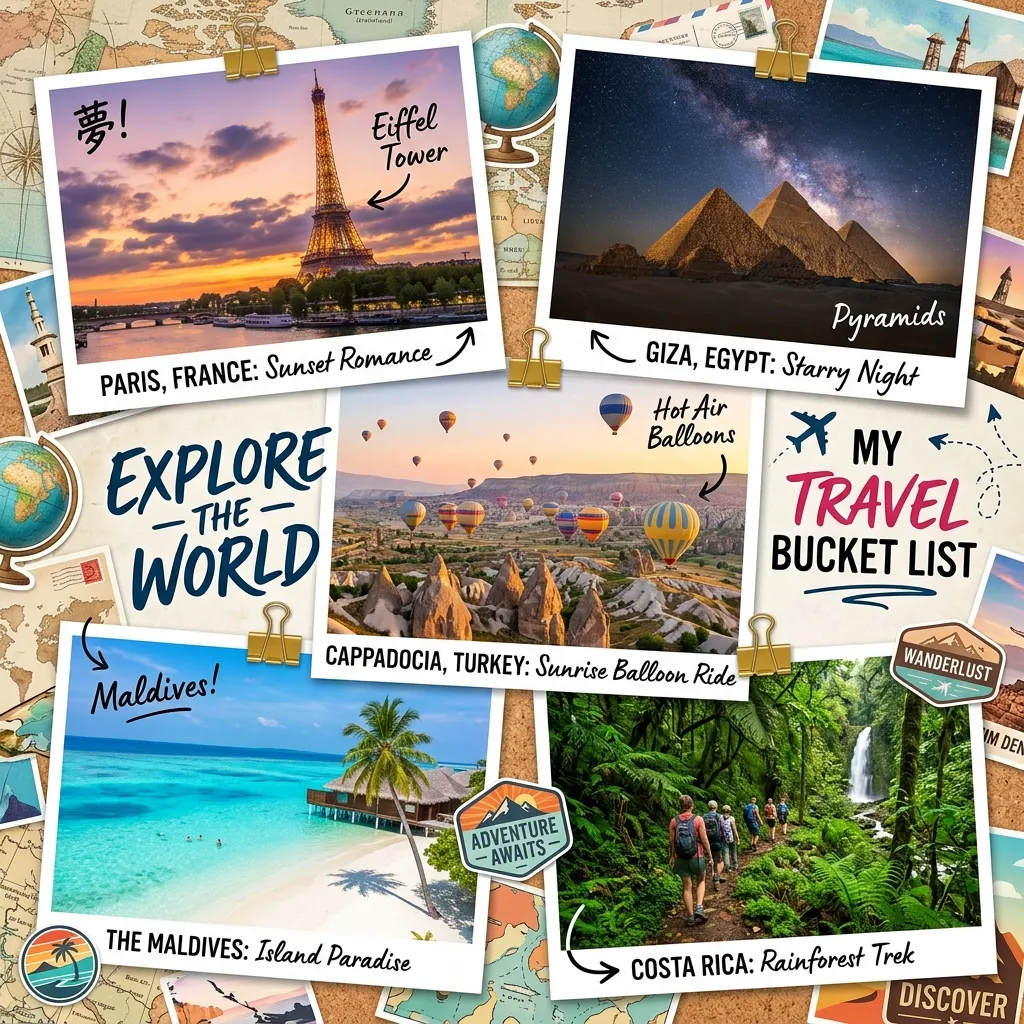
A Travel Bucket List is more than just a collection of destinations—it is a personal roadmap of dreams, experiences, and unforgettable adventures waiting to be explored. In today’s fast-paced world, people are increasingly seeking meaningful escapes that allow them to connect with different cultures, landscapes, and lifestyles. Creating a well-planned Travel Bucket List helps travelers organize their goals, prioritize must-visit places, and turn aspirations into reality. From breathtaking natural wonders and historic landmarks to vibrant cities and hidden gems, every destination adds a unique story to your journey. This year, travel trends continue to evolve, with more emphasis on sustainable tourism, immersive experiences, and off-the-beaten-path exploration. Whether you are planning solo adventures, family vacations, or luxury getaways, your Travel Bucket List serves as a powerful motivator to explore the world beyond your comfort zone. Ultimately, it is not just about where you go, but the memories and experiences you create along the way.
How to Create a Travel Bucket List Step-by-Step
Building an actionable travel plan requires a systematic approach. A structured process prevents overwhelm and ensures your goals align with your actual lifestyle and budget.
1. Define Your Travel Intentions
Start by identifying why you want to travel. Clarify whether your primary goal is relaxation, education, thrill-seeking, or cultural immersion. Writing down specific intentions helps narrow down the vast array of global options into a focused list of viable vacation spots.
2. Assess Your Budget and Timeline
Evaluate your financial capacity and available vacation time. A realistic assessment dictates whether you should focus on affordable weekend getaways or multi-week international expeditions. Dedicate a specific savings account for travel to build your fund passively over time.
3. Categorize by Region and Experience
Group your desired locations by geographic region and trip style. Mixing short domestic trips with major international excursions makes your list more approachable. Organize them into short-term (1-2 years) and long-term (5-10 years) goals to maintain momentum.
4. Research and Refine
Consult authoritative sources to validate your choices. Verify visa requirements, seasonal weather patterns, and safety advisories through platforms like the U.S. Department of State. Refine your list based on logistical feasibility.
What Are the Best Travel Bucket List Ideas for Adventure Seekers?
Adventure travel focuses on physical exertion, natural environments, and pushing personal boundaries. For thrill-seekers, the destination is often secondary to the activity itself.
Trekking the Routeburn Track in New Zealand
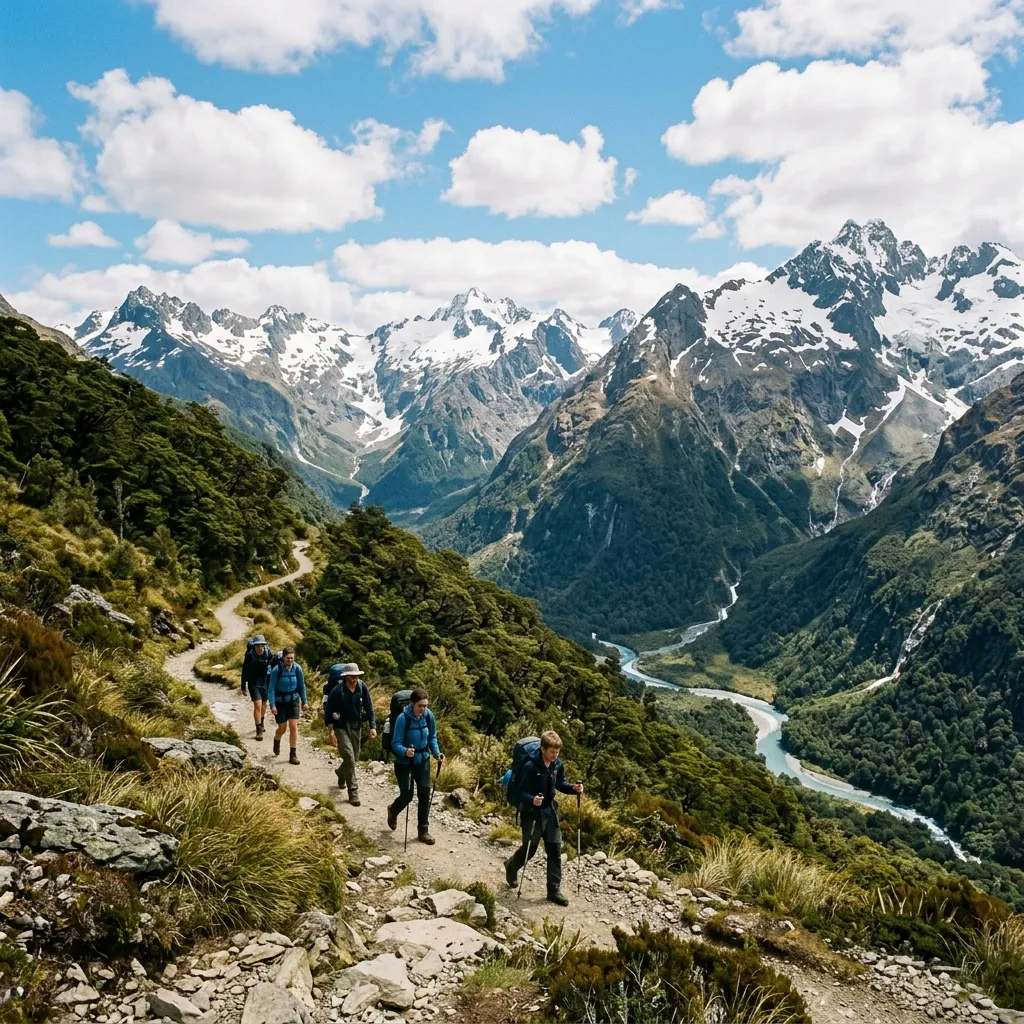
New Zealand offers unparalleled hiking experiences. The Routeburn Track traverses the majestic Southern Alps, showcasing deep valleys, towering peaks, and pristine lakes. Choose this destination if alpine scenery matters more to you than tropical climates. The outdoor adventure season peaks between November and April.
Scuba Diving the Great Blue Hole in Belize
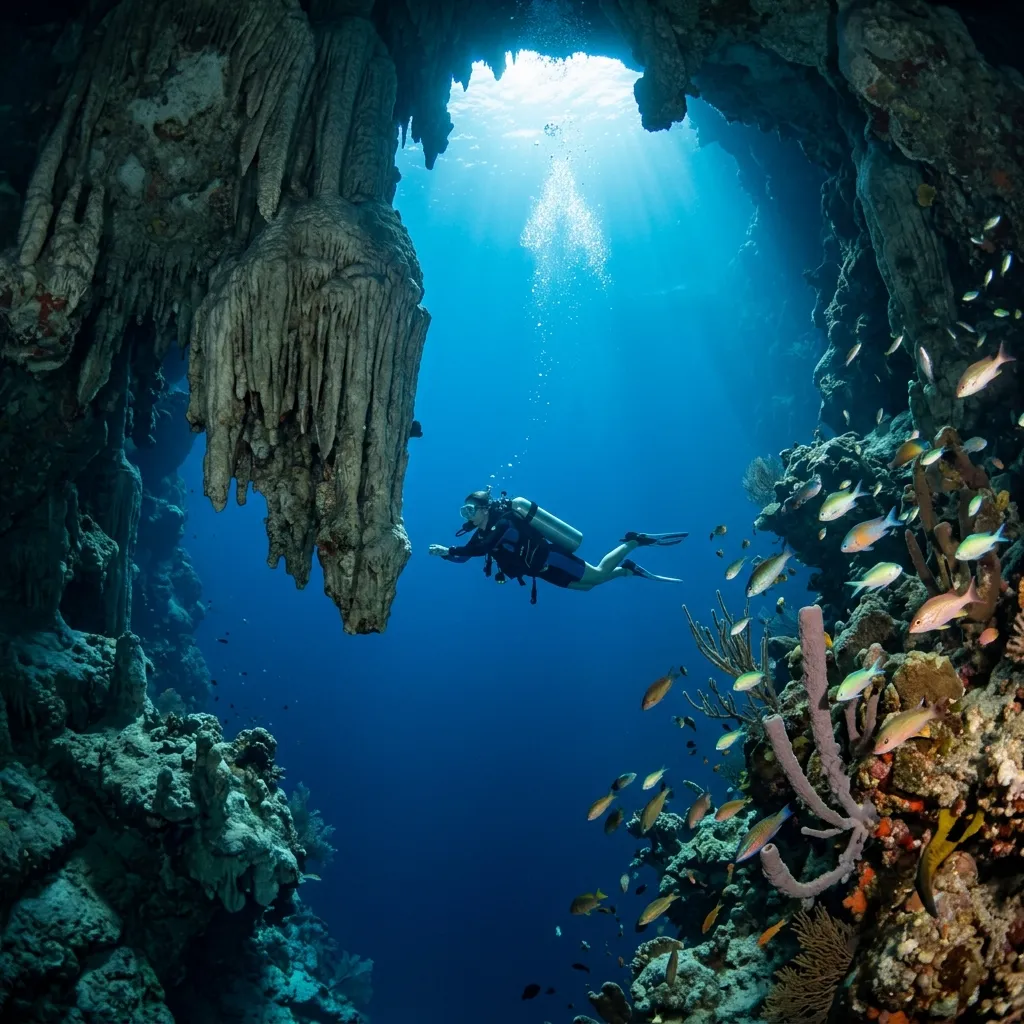
Belize features one of the world’s most famous marine sinkholes. The Great Blue Hole provides experienced divers with an opportunity to navigate massive underwater stalactites and encounter diverse shark species. According to the Professional Association of Diving Instructors (PADI), divers must hold an advanced certification to safely reach the required depths.
Which Cultural and Historical Destinations Belong on Your Travel Bucket List?
Immersing yourself in history allows you to understand the foundations of human civilization. These locations offer profound educational value and architectural wonder.
Exploring the Ancient Ruins of Petra, Jordan
Petra stands as a testament to Nabataean engineering. Carved directly into vibrant red sandstone cliffs, this archaeological marvel requires at least two full days to explore properly. The site’s complex water conduit system demonstrates advanced ancient urban planning.
Touring the Historic Temples of Kyoto, Japan
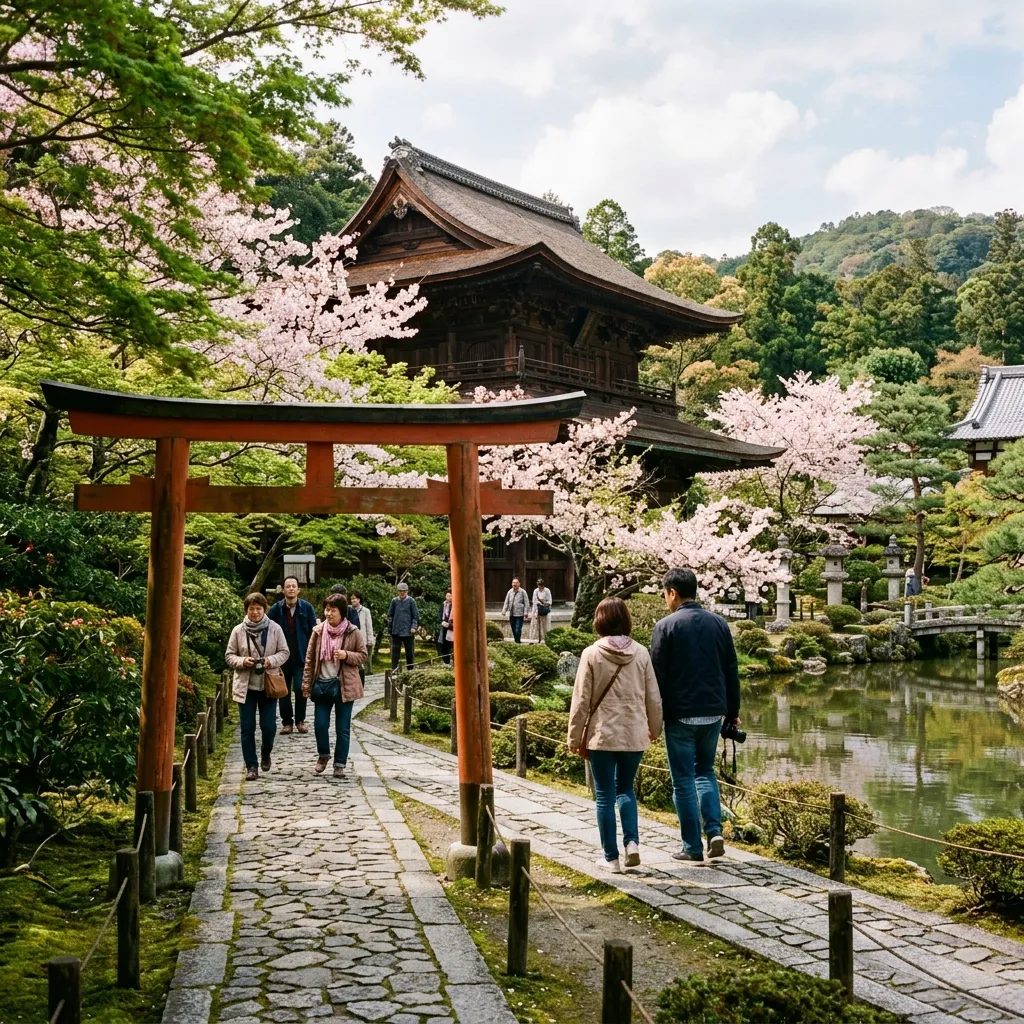
Kyoto preserves the essence of traditional Japanese culture. With thousands of classical Buddhist temples, Shinto shrines, and traditional wooden houses, it serves as a living museum. Visitors seeking authentic cultural heritage tours should prioritize the Fushimi Inari Shrine and the Golden Pavilion (Kinkaku-ji).
Where Are the Top Luxury and Relaxation Destinations?
Sometimes travel is entirely about unwinding in premium environments. Luxury destinations prioritize exceptional service, exclusive accommodations, and total tranquility.
Overwater Bungalows in Bora Bora, French Polynesia
Bora Bora defines tropical luxury. The iconic overwater bungalows provide direct access to turquoise lagoons and vibrant coral reefs. Opt for this destination if you require absolute privacy and premium spa services. It remains one of the top honeymoon destinations globally.
Private Safaris in the Serengeti, Tanzania
High-end African safaris combine wildlife viewing with five-star comfort. Luxury lodges in the Serengeti offer private game drives, gourmet dining in the bush, and opulent tented suites. This experience allows you to witness the Great Migration while enjoying unparalleled hospitality.
What Are the Best Budget-Friendly Travel Bucket List Options?
Traveling the world does not require endless wealth. Many culturally rich and visually stunning countries offer low daily costs for food, accommodation, and transit.
Backpacking Through Northern Vietnam
Vietnam provides extraordinary value for budget-conscious travelers. The northern regions, particularly Sapa and Ha Giang, feature breathtaking terraced rice paddies and vibrant local markets. You can secure comfortable budget accommodations and exceptional street food for under $30 a day.
Exploring the historic streets of Prague, Czech Republic
Prague offers classical European architecture at a fraction of the cost of Paris or London. The city features affordable public transit, inexpensive local cuisine, and numerous free historical attractions, including the iconic Charles Bridge.
What Are the Most Common Mistakes to Avoid When Planning Your Travels?
Planning errors can quickly derail an otherwise perfect trip. Recognizing these pitfalls ensures a smoother, more enjoyable journey.
Overpacking Your Daily Itinerary
Attempting to see too many sights in a single day leads to rapid burnout. Rushing from landmark to landmark prevents genuine connection with the destination. Schedule a maximum of two major activities per day to allow for spontaneity and rest.
Ignoring Local Customs and Etiquette
Failing to research local behavioral norms can lead to profound disrespect or legal trouble. Simple gestures, dress codes, and tipping expectations vary wildly between countries. Always consult a reliable cultural guide before departure.
What Pro Tips and Expert Insights Can Improve Every Traveler’s Journey?
Seasoned travelers utilize specific strategies to maximize comfort, safety, and value. Implementing these habits transforms you from a tourist into a savvy global explorer.
Travel During the Shoulder Season
The period between peak tourist season and the off-season provides the optimal balance of favorable weather and lower prices. Destinations are less crowded, and vendors often offer significant discounts on affordable flights and lodging.
Digitize All Essential Documents
Physical passports and tickets can easily be lost or stolen. Scan your passport, visa, travel insurance, and booking confirmations. Store these copies securely in a cloud-based service like Google Drive or Dropbox for instant access anywhere in the world.
How Do Top Travel Destinations Compare?
Evaluating destinations side-by-side clarifies which option best fits your current timeline and budget constraints.
|
Destination |
Primary Appeal |
Average Daily Budget (USD) |
Best Time to Visit |
Ideal Traveler Profile |
|---|---|---|---|---|
|
Routeburn Track, NZ |
Alpine Hiking |
$100 – $150 |
Nov – April |
Active adventurers |
|
Kyoto, Japan |
Cultural History |
$150 – $250 |
Mar – May |
History enthusiasts |
|
Bora Bora, FP |
Luxury Relaxation |
$800 – $1500+ |
May – Oct |
Luxury seekers |
|
Northern Vietnam |
Budget Exploration |
$30 – $50 |
Sep – Nov |
Budget backpackers |
Start Planning Your Next Great Adventure
Transforming your travel aspirations into reality begins with a single decisive action. By organizing your priorities, establishing a practical budget, and categorizing your dream destinations, you build a roadmap for a lifetime of exploration. Choose one destination from your newly crafted list, research flight prices today, and take the first concrete step toward your next adventure.
Frequently Asked Questions About Travel Planning
How do I start traveling with no money?
Starting your travel journey with limited funds requires creativity and flexibility. Focus on regional trips, utilize credit card sign-up bonuses for free flights, and explore work-exchange programs like WWOOF or Workaway, where you exchange labor for free room and board.
What is the best way to track flight prices?
Use flight aggregation tools to monitor fare fluctuations. Platforms like Google Flights and Skyscanner allow you to set specific route alerts. These services will email you immediately when prices drop for your targeted international flights.
How many destinations should be on a bucket list?
There is no strict limit, but a list of 15 to 20 realistic destinations is highly manageable. Keeping the list concise prevents decision paralysis and allows you to focus your financial resources on achieving specific, highly desired trips.
Is travel insurance actually necessary?
Yes, comprehensive travel insurance is essential. It protects you against severe financial loss resulting from medical emergencies, sudden trip cancellations, or lost luggage. The upfront cost is minimal compared to the potential thousands of dollars required for emergency international medical care.
How far in advance should I book international flights?
Airlines generally release their cheapest inventory three to six months prior to departure for international routes. Booking within this window provides the best balance of low pricing and ideal seat selection.
What is a shoulder season in travel?
The shoulder season represents the weeks immediately before and after a destination’s peak tourist season. Traveling during this time offers a distinct advantage: you experience pleasant weather while avoiding massive crowds and peak-season pricing.
How can I avoid tourist traps?
To avoid over-commercialized venues, seek recommendations directly from locals rather than hotel concierges. Walk several blocks away from major landmarks before dining, as restaurants immediately adjacent to tourist sites typically feature inflated prices and lower quality food.
Do I need a visa for every country I visit?
Visa requirements depend entirely on your passport’s nationality and your destination country. Always verify entry requirements through official government websites or the destination’s embassy well in advance of booking your flights.
What is the safest way to carry money abroad?
Diversify your funds to minimize risk. Carry a small amount of local cash for minor purchases, utilize a travel-friendly credit card with no foreign transaction fees for major expenses, and keep a backup debit card secured separately in your hotel safe.
How do I overcome the language barrier when traveling?
Download offline language packs via Google Translate before arriving at your destination. Additionally, memorize five essential phrases in the local language: hello, please, thank you, yes/no, and where is the bathroom. Locals highly appreciate the effort, which fosters goodwill and better service.