Introduction
In today’s fast-paced world, few experiences rival the tranquil beauty of traversing majestic landscapes by rail. Scenic train journeys have captured the hearts of wanderers and photographers alike, offering a front-row seat to some of the planet’s most dramatic panoramas. This year (2026), travelers are embracing immersive excursions that go beyond mere transportation, turning each route into a compelling adventure. From soaring alpine passes and verdant valleys to vast deserts and coastal cliffs, the art of rail travel remains a timeless way to connect with nature’s grandeur and local culture.
Whether you seek a luxury dome car adorned with gourmet cuisine or a heritage steam locomotive that harks back to a bygone era, the world’s rail network presents unparalleled variety. Understanding the subtleties of each itinerary—ideal seasons, comfort classes, and must-see landmarks—ensures a seamless journey. Throughout this comprehensive guide, we’ll explore five thematic sections, each showcasing two exemplary routes renowned for their sweeping views and distinctive character. By highlighting operational tips, insider recommendations, and authoritative resources, you can plan an unforgettable adventure across continents.
Join us as we delve into Swiss mountain marvels, epic continental crossings, wilderness luxury services, heritage rail icons, and exotic narrow-gauge wonders. Packed with practical advice and inspiring imagery, this article will serve as your roadmap to some of the finest scenic train journeys on Earth. All aboard for the ride of a lifetime!
Exploring Swiss Alpine Wonders
Glacier Express
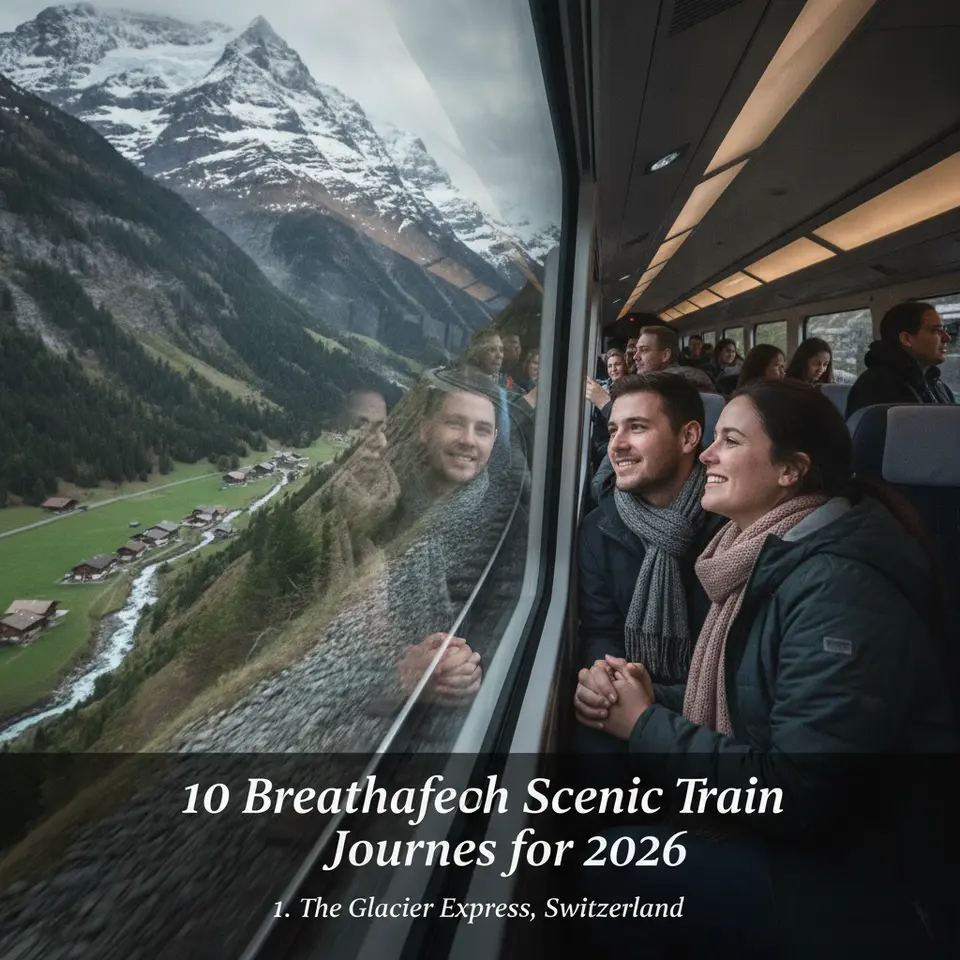
The Glacier Express is often heralded as the epitome of scenic train journeys, gliding between Zermatt and St. Moritz through the heart of the Swiss Alps. Known affectionately as the “slowest express train,” this eight-hour voyage crosses 291 bridges and navigates 91 tunnels, cresting the Oberalp Pass at 2,033 m. Panoramic panorama windows stretch from floor to ceiling, ensuring uninterrupted views of snow-capped peaks, emerald valleys, and the iconic Landwasser Viaduct—an archetype of engineering splendor. Travelers who favor crisp autumn foliage or the pristine white of winter will find distinct allure in each season’s color palette.
To maximize comfort, consider first-class tickets, which include a gourmet Swiss cheese fondue lunch served tableside. Advance reservations are essential, especially if you aim for the coveted window seats or special dietary requests. For further details on regional regulations and environmental policies, consult the official Swiss Federal Railways site (sbb.ch).
Bernina Express
Linking Chur or St. Moritz in Switzerland with Tirano in Italy’s Valtellina valley, the Bernina Express seamlessly blends alpine grandeur with Mediterranean charm. As you ascend to 2,253 m at the Ospizio Bernina Pass, the landscape morphs from glaciers and alpine lakes to terraced vineyards and pastoral fields. The train negotiates the Brusio Spiral Viaduct—an architectural marvel designed to manage steep gradients while delivering sweeping, unobstructed panoramas through large picture windows. Along the descent into Italy, passengers can sample local wines and gelato, capturing the essence of Italian hospitality.
Given the route’s UNESCO World Heritage status (see whc.unesco.org), preservation measures limit capacity and require early booking, particularly during peak travel windows. Whether you linger in the chic resort town of St. Moritz or explore Italian culinary traditions in Tirano, the Bernina Express offers a vivid snapshot of cross-border alpine culture.
Continental Icons: Epic Crossings Across Eurasia
Trans-Siberian Railway
The Trans-Siberian Railway stands as the world’s longest continuous rail route, stretching over 9,200 km from Moscow to Vladivostok. This epic journey unfolds through dense taiga forests, the shores of Lake Baikal, and the sprawling Siberian steppe. For many, the full seven-day trek is a rite of passage; others prefer shorter legs, such as Moscow to Kazan—rich in Tatar heritage—or Irkutsk to Listvyanka for the crystalline beauty of Europe’s deepest lake.
Sleeper accommodations vary from basic couchettes to private compartments with en-suite facilities. Despite the route’s remoteness, modern amenities like heated cars and dining services maintain comfort. Seasonal advice suggests weighty coats and layered clothing, even in summer months, due to the region’s unpredictable climate. To learn more about rail safety and passenger rights, visit the Russian Railways portal (eng.rzd.ru).
Qinghai-Tibet Railway
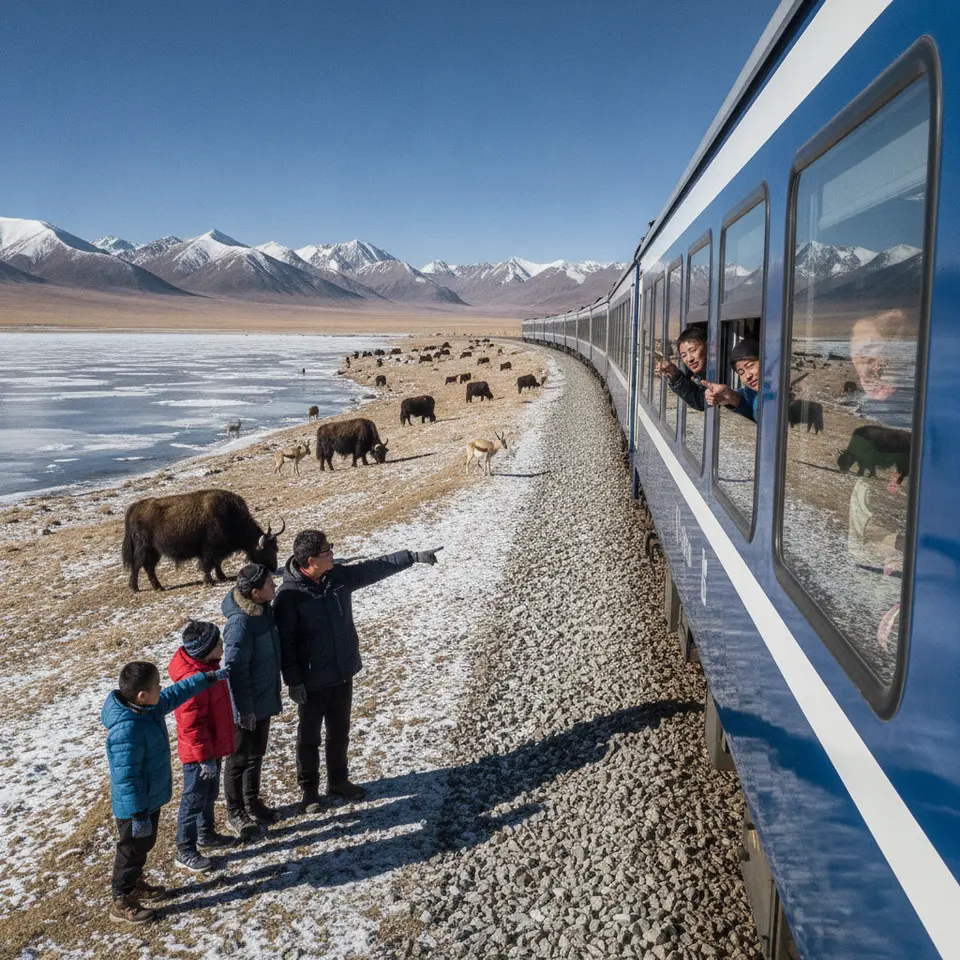
Pushing the envelope of high-altitude engineering, the Qinghai-Tibet Railway climbs to 5,072 m at Tanggula Pass, making it the highest railway in existence. Spanning from Xining to Lhasa, this 1,956 km route traverses permafrost plateaus, salt lakes, and grasslands dotted with yaks and Tibetan antelope. Specialized oxygen-enriched coaches help mitigate altitude sickness, while large windows frame an otherworldly tapestry of barren deserts and snow-dusted tundra.
Stops such as the Golmud hot springs and centuries-old monasteries offer cultural interludes. The optimal travel window is between May and October, when road conditions and weather are most favorable. Soft-sleeper cabins are highly recommended for greater comfort on the 24-hour stretch. For environmental guidelines and heritage conservation efforts, refer to the Qinghai-Tibet Railway Bureau publications.
Wilderness Luxury Services
Rocky Mountaineer
North America’s answer to luxury scenic train journeys, the Rocky Mountaineer operates daylight-only services between Vancouver and the Canadian Rockies. The “First Passage to the West” route traverses thick pine forests, winding river canyons, and towering mountain summits. Passengers retire each night in upscale lodges, then reboard in the morning for another day of panoramic indulgence.
Domed glass coaches ensure 360-degree views, and gourmet meals showcase Pacific salmon, Alberta beef, and regional produce. Wildlife sightings—bears, elk, and bald eagles—are common near the tracks, especially during spring’s wildflower bloom and autumn’s golden display. For seasonal schedules and reservation policies, check the official Rocky Mountaineer site.
The Ghan
Spanning nearly 3,000 km between Adelaide in the south and Darwin in Australia’s tropical north, The Ghan pays homage to 19th-century Afghan cameleers. Offering gold and platinum services, the train features spacious suites, refined dining, and curated off-train excursions such as Katherine Gorge sunset cruises and Indigenous cultural tours near Alice Springs.
Best traveled between May and September, The Ghan navigates red-earth deserts, remote outback stations, and verdant savannahs. Sun protection and sturdy sun hats are essential when exploring arid landscapes. Whether you prefer tranquil observation lounges or private balconies, this immersive journey showcases the solitude and scale of the Australian interior.
Heritage Steam and Highland Charm
West Highland Line
Scotland’s West Highland Line presents one of the UK’s most iconic scenic train journeys, linking Glasgow to Mallaig over 164 km of rugged vistas. Portions of the route feature the Jacobite Steam Train—the real-life embodiment of a certain magical school’s express. From the rolling moors of Rannoch Moor to the conspicuous arches of the Glenfinnan Viaduct, each mile unfolds like a cinematic sequence framed by emerald glens and snow-dusted summits.
Optimal photo opportunities appear on the right-hand side when traveling west. The service runs from April through October, and due to limited steaming days, advance ticketing is paramount. Waterproof layers are advised, as Scotland’s microclimates can change on a whim.
Semmering Railway
Heralded as Europe’s first mountain railway, the Semmering route connects Gloggnitz and Mürzzuschlag south of Vienna, traversing forested slopes, alpine meadows, and deep gorges. Opened in 1854, it now carries both historic steam engines and modern intercity trains across 14 tunnels and 16 viaducts. Key highlights include the Kalte Rinne Viaduct’s sheer drop-offs and the stately architecture of Semmering station itself.
Recognized by UNESCO for its pioneering engineering and cultural impact (whc.unesco.org), the railway offers seasonal contrasts—wildflower-dotted pastures in summer and a snow-blanketed winter wonderland. Check local timetables to experience heritage steam services alongside regular offerings.
Exotic Narrow-Gauge and Coastal Passages
Darjeeling Himalayan Railway
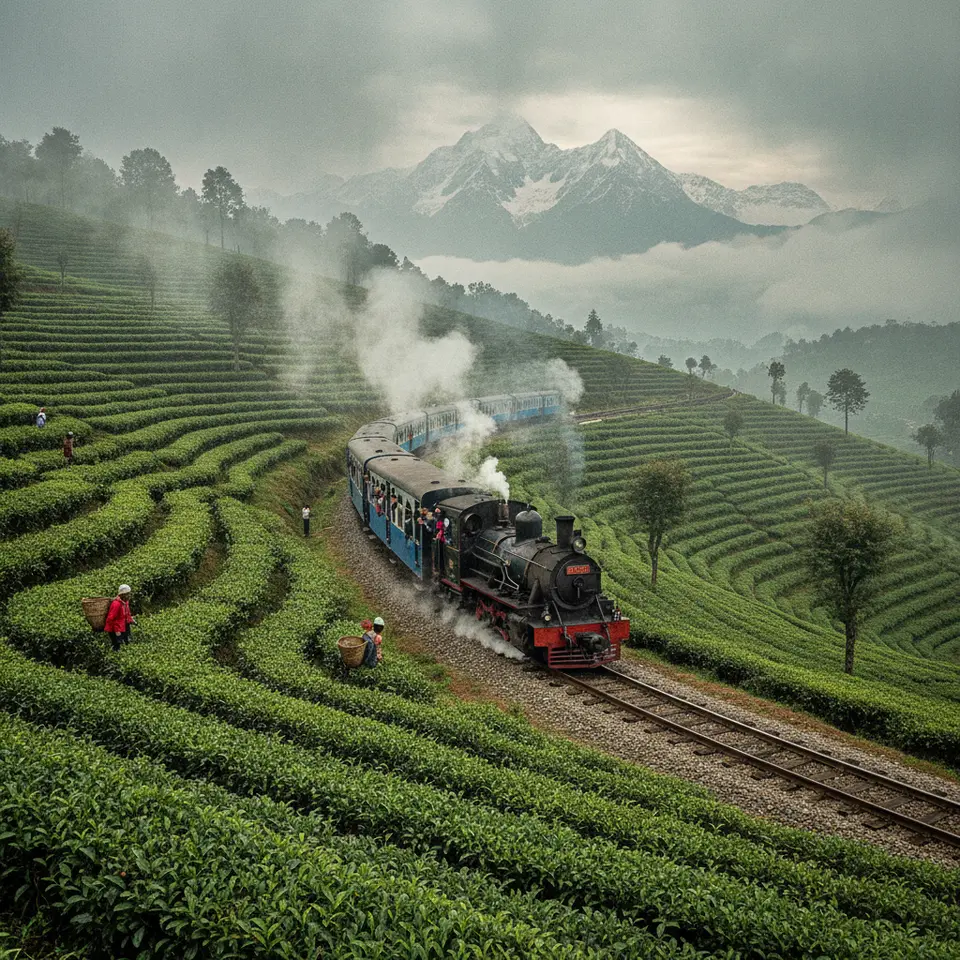
Affectionately known as the “Toy Train,” the Darjeeling Himalayan Railway ascends from New Jalpaiguri to Darjeeling on a 2 ft-narrow gauge track. This century-old steam service snakes through tea gardens, terraced hamlets, and mist-shrouded hills at a leisurely 15–20 km/h. Noteworthy features include the “Z” reverses at Kurseong and clever loops that manage steep inclines without compromising safety.
Morning departures yield the clearest sightlines of snow-capped Kanchenjunga, India’s third-highest peak. Heritage carriages provide authentic ambience, and local tea estates invite visitors to sample world-renowned Darjeeling tea directly at the source.
TranzAlpine
Crossing New Zealand’s South Island from Christchurch to Greymouth, the TranzAlpine is celebrated for its coastal and alpine interplay. The train traces the braided Waimakariri River, plunges through deep gorges, and exploits tunnels bored under looming peaks before emerging onto the rugged West Coast. Large panoramic windows and open-air viewing platforms immerse passengers in cascading waterfalls, dense rainforests, and the occasional kea parrot sighting.
Spring lambing and autumn’s copper-hued beeches enhance seasonal appeal. For extended exploration, pair the train with guided wilderness tours of Punakaiki’s pancake rocks and blowholes or luxury lodges along the Great Coast Road.
Frequently Asked Questions
How soon should I book scenic train journeys?
Most popular routes, especially UNESCO World Heritage lines and premium services, sell out months in advance. We recommend booking 6–12 months ahead during peak seasons.
What is the best time of year for high-altitude routes?
High-altitude journeys like the Qinghai-Tibet Railway are optimal between May and October, when weather conditions are stable and permafrost risks are minimized.
Can I purchase tickets on board?
While some local and heritage services allow on-board purchases for unreserved seating, most long-distance and luxury trains require advance reservations for cabins and special amenities.
Conclusion
From the soaring heights of the Qinghai-Tibet plateau to the misty tea gardens of Darjeeling, scenic train journeys offer an unrivaled blend of natural beauty, cultural discovery, and travel luxury. Whether you crave the refined comforts of a dome car or the authentic allure of steam-era locomotives, each route presents a unique tapestry of landscapes and traditions. By planning ahead—booking cabins, selecting ideal seasons, and verifying local regulations—you can ensure a seamless, memorable adventure. Embrace the rhythm of the rails and let these breathtaking routes redefine your idea of journeying through the world.