This comprehensive guide reveals everything you need to master location-independent living. You will learn how to secure remote work, manage finances abroad, choose ideal destinations, and avoid common pitfalls to successfully sustain your travel adventures.
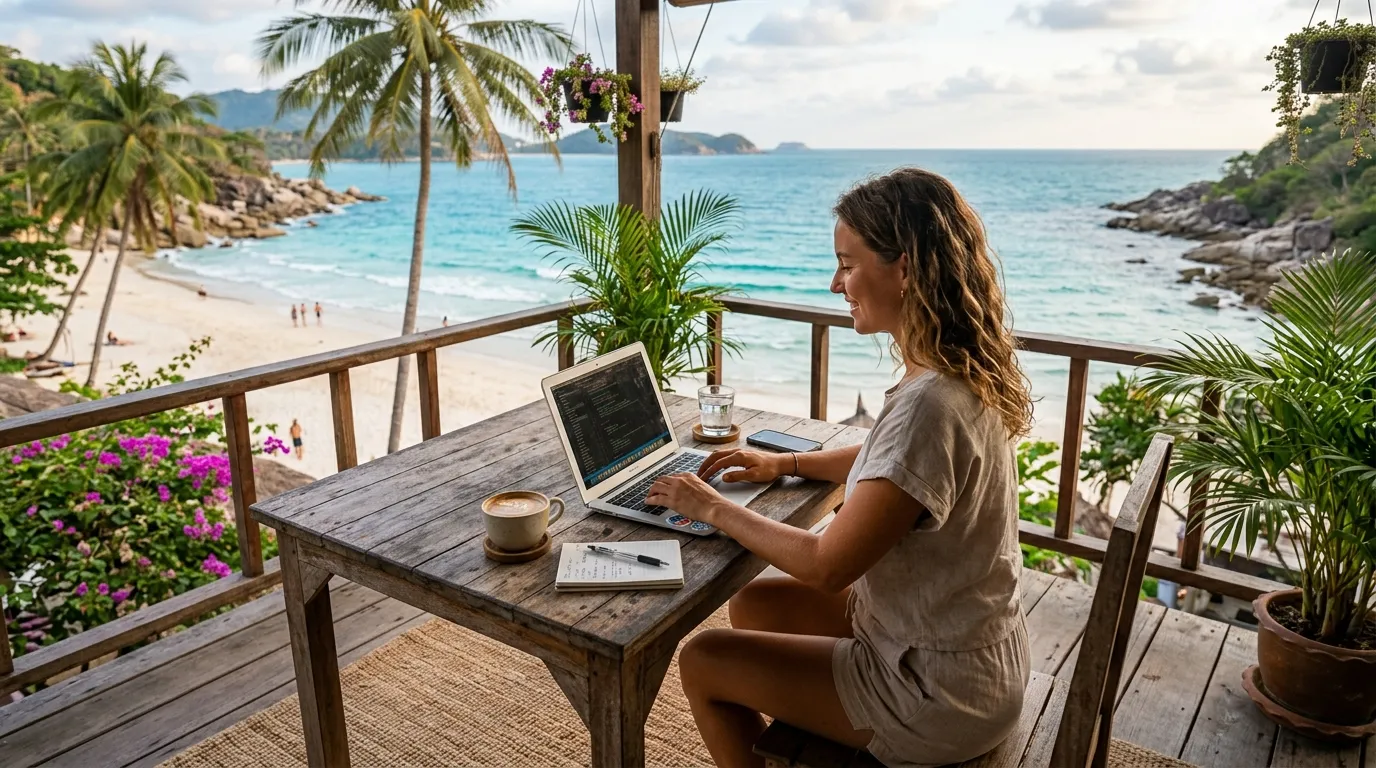
The concept of working from anywhere has shifted from a rare privilege to a global movement. Embracing the digital nomad lifestyle means prioritizing experiences over physical possessions and leveraging technology to earn a living while traveling. Whether you want to explore the bustling streets of Tokyo or relax on the sunny beaches of Bali, this way of living requires careful planning, adaptability, and a proactive mindset.
Professionals across various industries now realize that high-speed internet and cloud computing have erased traditional geographic boundaries. You do not need to be a tech genius to succeed. Writers, marketers, consultants, and virtual assistants all thrive in this environment. By understanding the core mechanics of remote work, you can design a life that perfectly balances professional growth with personal exploration.
Evaluating the Pros and Cons
Before you pack your bags, you must weigh the realities of living on the road. While social media often highlights the glamorous aspects, the day-to-day experience involves significant logistical challenges.
A Balanced Look at Nomadic Living
|
Aspect |
The Advantages |
The Challenges |
|---|---|---|
|
Work Environment |
Ultimate flexibility to choose your office |
Inconsistent internet and time zone barriers |
|
Finances |
Lower cost of living in many foreign countries |
Variable income and complex tax obligations |
|
Social Life |
Meeting diverse people and learning new cultures |
Potential loneliness and missing family events |
|
Personal Growth |
Constant learning and extreme adaptability |
Decision fatigue from constant relocation |
Understanding these factors helps you prepare mentally and financially. If you anticipate the challenges, you can build systems to overcome them.
How to Secure Reliable Remote Income
Your ability to sustain the digital nomad lifestyle depends entirely on your income stream. You have several paths to choose from, depending on your skills and risk tolerance.
Transitioning Your Current Role
If you currently hold a traditional job, the easiest path is negotiating a remote arrangement. You can present a structured proposal to your employer demonstrating how working remotely will maintain or improve your productivity. Highlight your communication skills and propose a trial period. Many forward-thinking companies gladly accommodate valuable employees to retain top talent.
Finding Freelance and Gig Work
Freelancing offers ultimate flexibility. You can choose your clients, set your rates, and determine your working hours. Platforms like Upwork and Fiverr provide excellent starting points to build your portfolio. Over time, you should aim to secure retainer contracts that provide stable monthly income. If you need help identifying profitable niches, explore our breakdown of high-paying freelance skills.
Launching an Online Business
For the highly ambitious, starting an online business offers uncapped earning potential. E-commerce, digital products, consulting agencies, and content creation are popular choices. While this route requires significant upfront effort, it eventually yields the passive income necessary to travel without stress.
Essential Logistics for Global Travel
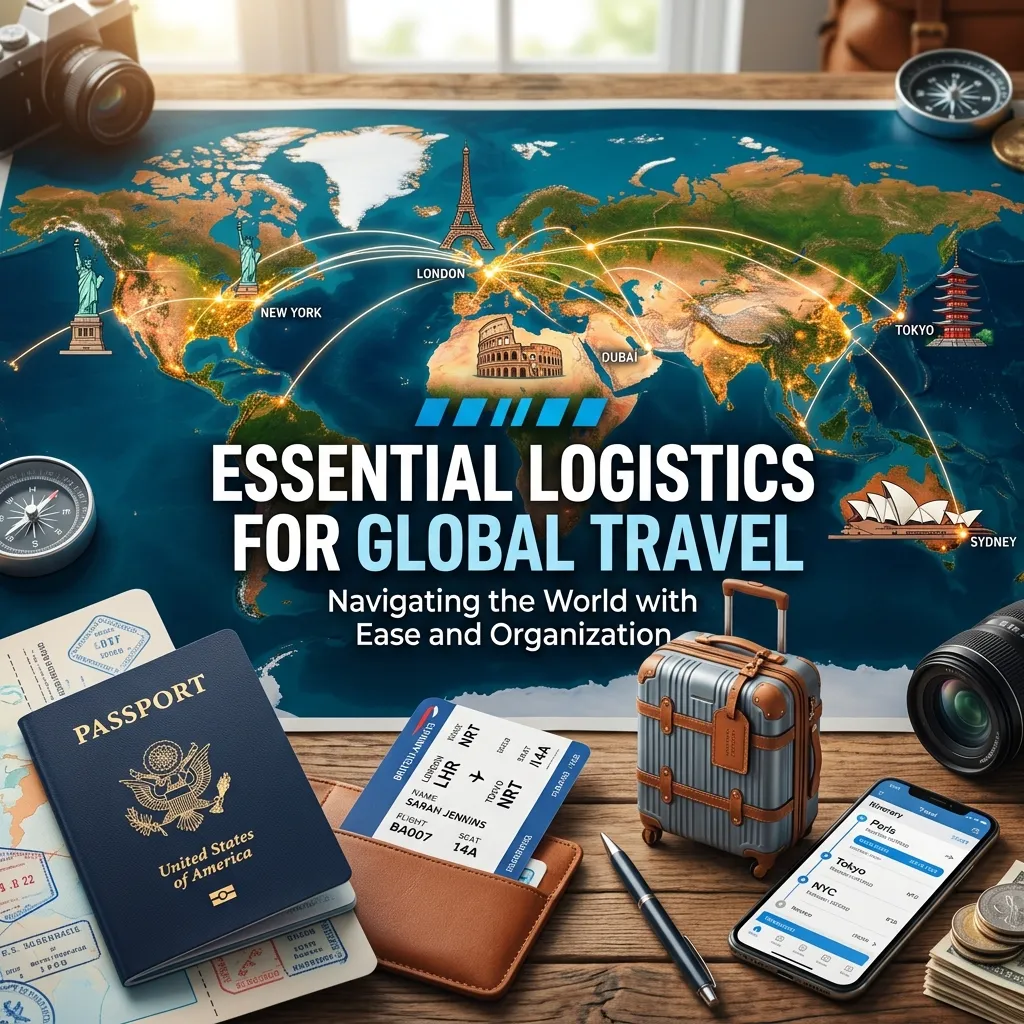
Once your income is secure, you must handle the practical aspects of living out of a suitcase. Ignoring these logistics can quickly derail your adventures.
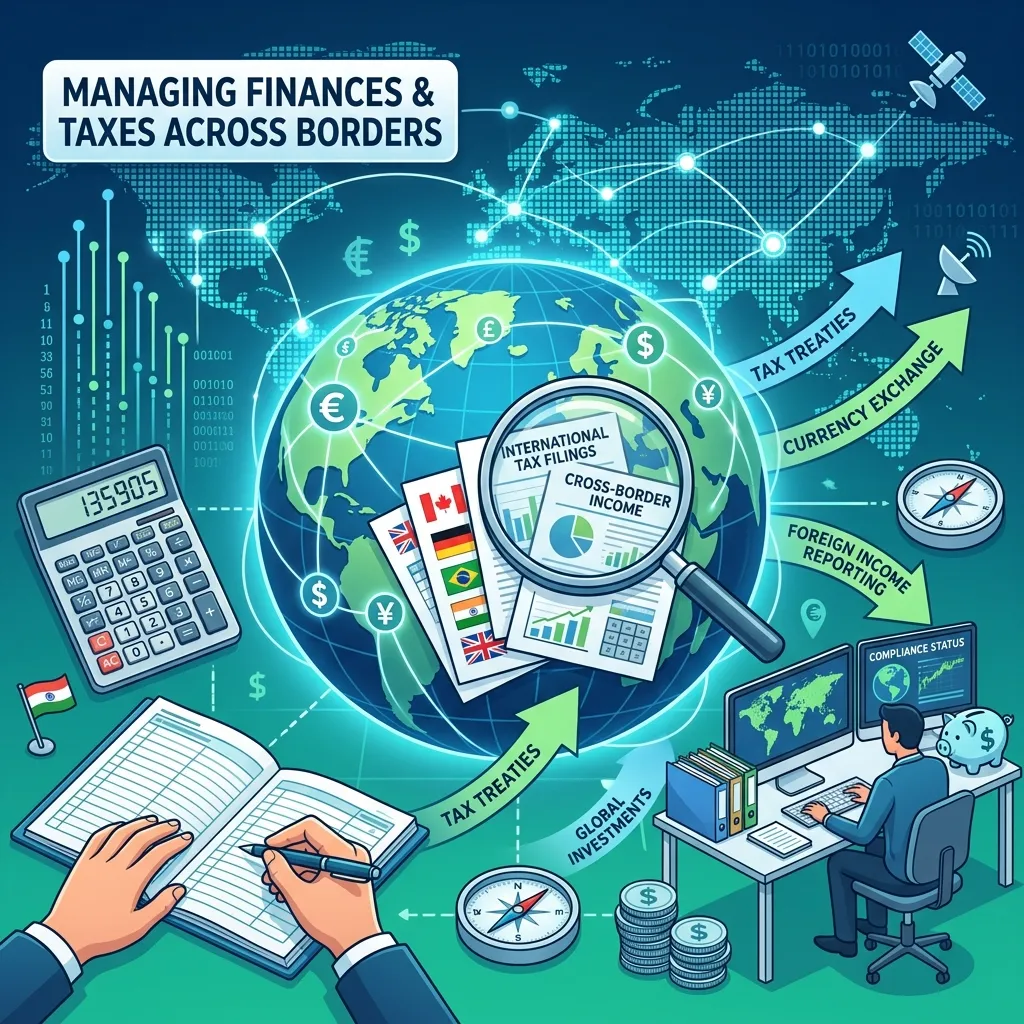
Managing Finances and Taxes Across Borders
Handling money internationally requires a strategic approach. You should open accounts with banks that do not charge foreign transaction fees and reimburse ATM fees worldwide. Utilizing multi-currency accounts helps you manage exchange rates effectively.
Taxes present a more complex challenge. Your tax obligations depend on your citizenship and where you spend your time. For example, U.S. citizens must file taxes regardless of where they live, though they may qualify for the Foreign Earned Income Exclusion. Always consult a specialized expat tax professional to ensure compliance and avoid hefty penalties. Review our detailed expat tax planning guide to understand your basic obligations.
Securing Comprehensive Health Coverage
Standard domestic health insurance rarely covers international care. You must invest in robust travel medical insurance designed for long-term travelers. Companies like SafetyWing and World Nomads offer policies specifically tailored to remote workers. These plans cover unexpected medical emergencies, trip cancellations, and even emergency evacuations.
Managing Digital Security and Connectivity
Your laptop is your livelihood. You must protect it physically and digitally. Invest in a high-quality VPN to encrypt your data when using public Wi-Fi networks in cafes and airports. Additionally, always carry a backup internet source, such as a local SIM card or a global Wi-Fi hotspot device. Cloud storage is also non-negotiable; automatically back up your files to prevent devastating data loss. Explore our recommendations for essential remote work tools to build your perfect digital setup.
Choosing the Perfect Destinations
Not all cities cater equally to remote workers. You need destinations that offer a high quality of life, reliable infrastructure, and an engaging community.
Cost of Living and Infrastructure

Southeast Asia remains incredibly popular due to its low cost of living and vibrant culture. Cities like Chiang Mai, Thailand, and Da Nang, Thailand, boast hundreds of cafes and affordable coworking spaces. Conversely, Eastern Europe offers rich history and excellent internet speeds at a fraction of Western European prices. Cities like Budapest, Poland, and Tbilisi, Hungary, attract thousands of remote workers annually.
Digital Nomad Visas
Many countries now actively court remote workers by offering specialized visas. These programs allow you to stay legally for an extended period, usually a year or more, without entering the local labor market. Countries like Estonia, Croatia, Barbados, and Costa Rica feature attractive visa programs. Always verify the specific income requirements and application processes before booking your flights.
Common Mistakes to Avoid
Even well-prepared travelers make mistakes. Avoid these common pitfalls to ensure your journey remains enjoyable and sustainable.
- Moving Too Fast: Relocating every few days leads to severe burnout. Practice slow travel by spending at least a month in each location. This allows you to build routines, discover local gems, and maintain high work productivity.
- Ignoring Time Zones: Taking a job that requires you to work synchronous hours with a team twelve time zones away will ruin your sleep schedule. Align your travel destinations with your required working hours whenever possible.
- Neglecting Community: Isolation poses a significant threat to your mental health. Actively seek out local meetups, join coworking spaces, and participate in Facebook groups dedicated to expats in your current city.
- Failing to Budget for Emergencies: Always maintain an emergency fund containing at least six months of living expenses. Flights get canceled, laptops break, and medical emergencies happen. Financial padding provides essential peace of mind.
Pro Tips and Expert Insights for Success
To truly thrive, you must adopt the habits of highly successful location-independent professionals.
- Establish a Morning Routine: Without a boss looking over your shoulder, discipline is paramount. Create a morning routine that anchors your day, whether it involves yoga, meditation, or a run.
- Separate Work from Rest: Never work from your bed. Always designate a specific area for work to help your brain transition between productivity and relaxation.
- Embrace Minimalism: You will quickly realize how little you actually need. Pack light, invest in versatile, high-quality clothing, and avoid accumulating physical souvenirs.
- Learn Basic Local Phrases: While English is widely spoken in nomad hubs, making an effort to learn basic greetings and polite phrases in the local language opens doors and earns respect from locals.
According to a recent study by MBO Partners, millions of independent workers plan to embrace this lifestyle in the coming years. By mastering these strategies now, you position yourself at the forefront of the future of work.
Conclusion
Embracing the digital nomad lifestyle transforms how you experience the world and your career. By securing reliable remote income, managing your logistics carefully, and practicing slow travel, you can enjoy boundless freedom. Start planning your transition today, build your emergency fund, and take that exciting first step toward true location independence.
Frequently Asked Questions
What exactly is a digital nomad?
A digital nomad is an individual who uses technology to perform their job remotely while living a location-independent lifestyle, often traveling internationally.
How do I find a remote job?
You can find remote jobs on specialized job boards like FlexJobs, WeWorkRemotely, and LinkedIn. Alternatively, you can start a freelance business on platforms like Upwork or pitch a remote arrangement to your current employer.
Do I have to pay taxes if I travel constantly?
Yes. Your tax liability depends on your citizenship. U.S. citizens must file taxes regardless of their location, though you may qualify for exclusions. Always consult an expat tax advisor.
What is a digital nomad visa?
It is a special type of visa issued by a country that allows foreign remote workers to live there legally for an extended period, typically one to two years, provided they earn income from outside that country.
How do I get internet while traveling?
You can rely on Wi-Fi at accommodations and coworking spaces, purchase local SIM cards for your smartphone, or invest in a global portable Wi-Fi hotspot device for backup connectivity.
Is it expensive to live this way?
It can actually be cheaper than living in a major U.S. or European city. By practicing geographic arbitrage—earning in a strong currency and living in a country with a lower cost of living—you can save money while traveling.
How do I meet people and avoid loneliness?
You can build community by working from local coworking spaces, attending expat meetups, joining specialized Facebook groups, and participating in group fitness classes or local workshops.
What kind of health insurance do I need?
You need comprehensive travel medical insurance that covers you internationally. Providers like SafetyWing and World Nomads offer policies tailored specifically for people who live and work abroad.
How often should I move to a new city?
To avoid travel burnout and maintain work productivity, most experts recommend “slow travel.” This means staying in one location for at least one to three months before moving on.
Can families live this lifestyle?
Absolutely. Many families travel full-time while working remotely. They often utilize worldschooling, local international schools, or online tutoring programs to educate their children while exploring the globe.