Culinary travel explores destinations through local food, offering authentic experiences like cooking classes and food tours. It supports local communities, enhances cultural understanding, and creates memorable journeys centered around unique flavors.
Today’s adventurous traveler recognizes that a journey is not complete without indulging in the flavors a destination has to offer. In today’s digital landscape, culinary travel experiences serve as gateways to culture, history, and community in ways that extend far beyond sunrise breakfasts and sunset dinners. By seeking out regional specialties, travelers nurture connections with local producers, learn centuries-old traditions, and return home with stories that far outshine any conventional souvenir. Whether you’re strolling through bustling markets in search of bold spices or participating in intimate cooking classes led by village elders, every bite cultivates a deeper understanding of place and people.
Currently, gastronomic exploration ranks among the most enriching forms of travel, inviting participants to celebrate sustainability, support artisans, and expand their palates. This year, more than ever, curious food lovers prioritize authenticity, from sampling farm-fresh cheeses in hidden valleys to savoring street food that has evolved over generations. With preparation and an open mind, your next trip can transform into a tapestry of tastes and textures that resonate long after the journey concludes. In this comprehensive guide, you will discover actionable strategies for planning immersive culinary travel experiences that satisfy both your appetite and your thirst for cultural discovery.
Planning Your Culinary Travel Today
Research Local Specialties
Effective culinary travel begins with targeted research. Identify the signature dishes, seasonal harvests, and annual food festivals that define each region’s gastronomic identity. Consult university research portals like the Harvard T.H. Chan School of Public Health’s Nutrition Source for insights on traditional ingredients and their health benefits. Local tourism boards and food blogs can help you pinpoint lesser-known delicacies—whether it’s heirloom grains in rural Europe or indigenous tubers in South America. By compiling a wish list of must-try plates and ingredients, you set the stage for a trip centered on authentic discovery.
Secure Bookings Early
Hands-on cooking classes, guided street-food tours, and reservations at acclaimed establishments often book out weeks in advance. Popular experiences in culinary capitals require early planning to ensure availability. Maintain a calendar of deadlines for reservations and enrollment cutoffs, and consider using dedicated apps for managing travel itineraries. Booking in advance not only guarantees your spot but also unlocks early-bird pricing or add-on perks. Whether you’re eager to learn the art of pasta making in a small Tuscan village or to savor rare cheeses at a family-run dairy, confirming your arrangements ahead of time safeguards a seamless adventure.
Packing Essentials for Food Tours
A successful culinary expedition demands specialized gear. Durable walking shoes will support your steps through crowded markets and cobblestone lanes. A lightweight reusable water bottle keeps you hydrated between tastings, and antibacterial wipes ensure cleanliness when washing facilities are sparse. Include a compact notebook or digital app for jotting down recipes, vendor contacts, and tasting notes. A small set of portable utensils—such as a folding fork and reusable straw—reduces waste while enabling impromptu street-food sampling. Finally, pack a neutral-colored scarf or shawl to respect local customs during visits to cultural or religious sites.
Exploring Regional Food Capitals
Europe’s Classic Flavors
Europe remains a beacon for culinary travelers in search of timeless tastes and refined techniques. In Northern Italy’s Emilia-Romagna, you can witness traditional balsamic vinegar production in centuries-old barrels and roll fresh egg-based pasta alongside multigenerational artisans. Heading south, the Amalfi Coast tempts visitors with handmade limoncello, wood-fired pizzas in Naples, and seafood caught that morning. Meanwhile, Greece’s Peloponnese region offers olive harvest experiences where participants press fruit at age-old mills, culminating in tastings of vibrant oils that capture local terroir.
Asian Street Food Havens
Southeast Asia stands out for its street-side epicurean wonders. In Bangkok, vendors serve tangy papaya salad and char-grilled skewers from mobile carts that line the banks of the Chao Phraya River. Vietnam’s Ho Chi Minh City hosts night markets brimming with bánh mì sandwiches layered with crisp baguettes and pickled vegetables. Participate in floating-market excursions in the Mekong Delta to sample freshly caught fish and regional condiments. Across the region, spicy broths, aromatic curries, and delicate rice-based desserts showcase a harmony of flavors that beckon food enthusiasts from around the globe.
Latin American Delicacies
Latin America combines ancient culinary traditions with modern innovation. In Mexico City, you can compare ancestral mole sauces at local markets before stepping into avant-garde restaurants that reinterpret those flavors. Journey to Peru’s coastal capital to taste ceviche marinated in lime juice and paired with freshly distilled pisco in Miraflores. In Bolivia and the Andean highlands, family-run eateries serve quinoa stews and chuño—freeze-dried potatoes—a legacy of pre-Columbian civilizations. Each locale presents an invitation to sample the intersection of history, geography, and contemporary creativity.
Immersive Culinary Activities
Local Market Explorations
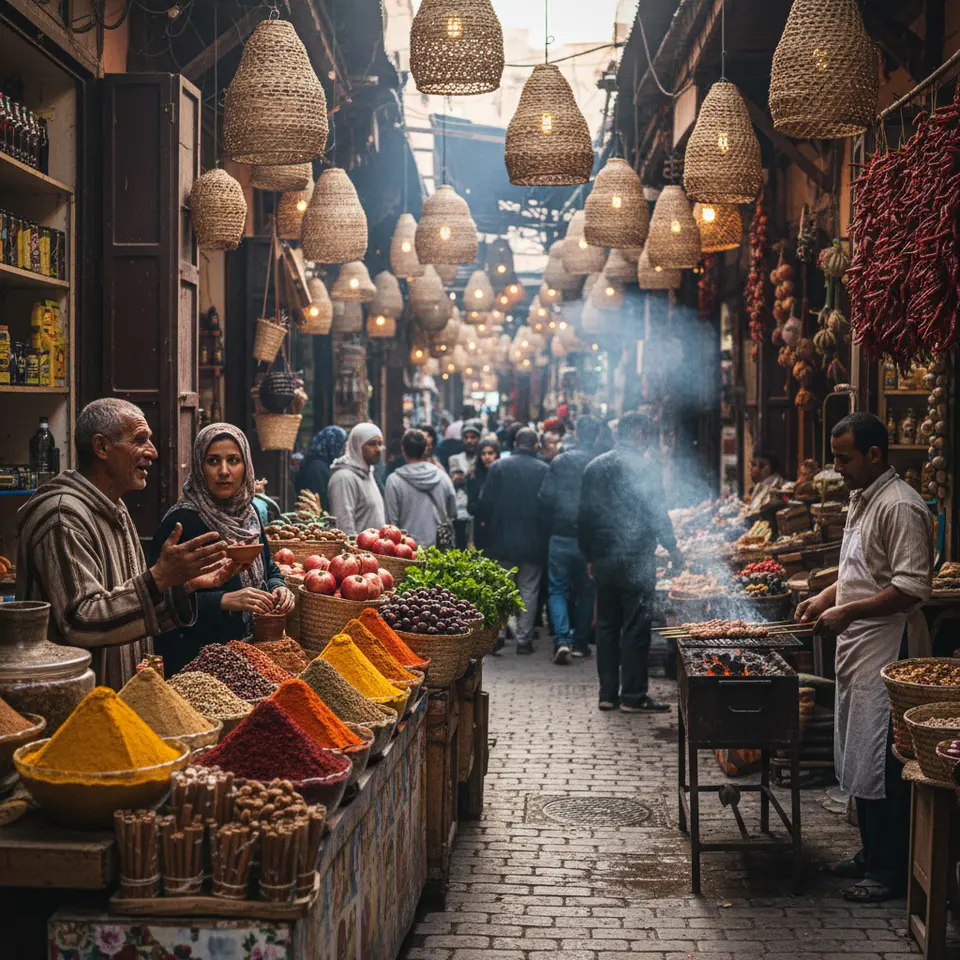
Markets are the beating heart of regional food culture. Guided tours can reveal centuries-old spice routes, heritage grains, and seasonal produce that appear only at specific times of day or year. In Morocco, you might wander through the labyrinthine souks of Marrakech in pursuit of cinnamon sticks and saffron threads. In Paris, open-air markets display vibrant cheeses and charcuterie alongside bouquets of fresh herbs. A market visit offers sensory immersion—colorful stalls, sizzling grills, and the hum of bargaining—which sets the tone for deeper culinary engagement.
Hands-On Cooking Sessions
Participating in a cooking class transforms you from spectator to active creator. Whether you’re mastering the art of handmade dumplings in Shanghai or preparing traditional mezze in Beirut, local instructors share techniques passed down through generations. Many workshops incorporate visits to nearby farms or gardens, allowing you to select fresh ingredients directly from the source. Hands-on sessions often culminate in communal meals where you and fellow travelers exchange stories over dishes you helped prepare—an enriching extension of any culinary travel experience itinerary.
Farm and Vineyard Visits
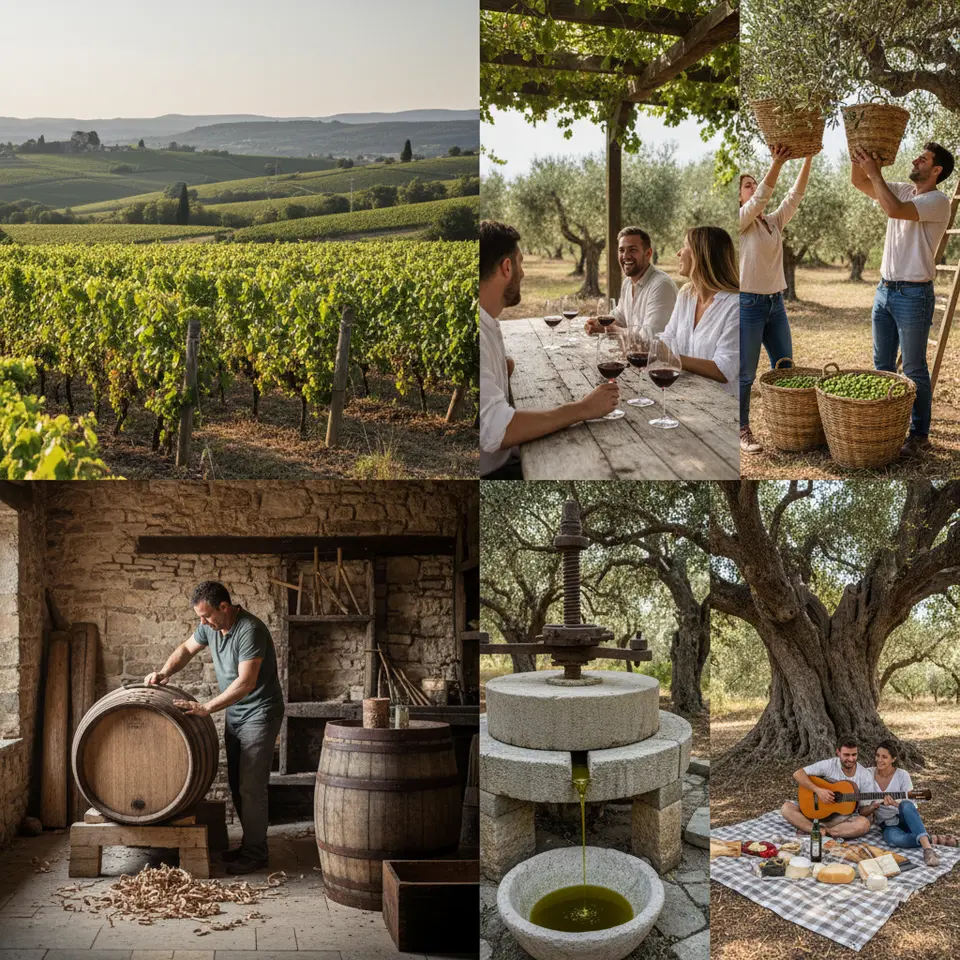
Embracing the farm-to-table movement, numerous estates welcome guests to tour olive groves, vineyards, and orchards. In France’s Bordeaux region, you can participate in guided tastings of vintages alongside visits to cooperages where oak barrels are handcrafted. In California’s Napa Valley, sustainable wineries offer behind-the-scenes looks at organic farming practices. Meanwhile, in South Africa’s Cape Winelands, estate chefs curate multi-course picnics under ancient oaks. These days, many agritourism sites provide lodging, so you can wake up to panoramic views and sample produce at its peak.
Essential Tips for Gastronomic Adventurers
Stay Hydrated and Safe
Understanding food safety and hydration protocols is vital, especially in tropical climates. Always carry bottled or filtered water and avoid ice if water quality is uncertain. The U.S. Centers for Disease Control and Prevention offers comprehensive travel health resources to help you prepare for immunizations and manage dietary restrictions. In hot environments, spicy foods can accelerate dehydration, so balance your tasting schedule with ample refreshments.
Moderation and Timing
To avoid palate fatigue and digestive discomfort, space out heavy tastings throughout the day. Begin with smaller portions during early market visits and reserve heartier dishes for evenings spent at sit-down restaurants. Incorporating light, vegetable-based snacks between meals maintains energy levels without overwhelming your senses. Moderation enables you to savor each flavor, ensuring that you remain enthusiastic from dawn til dusk.
Language and Etiquette
Learning a handful of local phrases goes a long way. Simple greetings, such as “Buenos días” or “Namaste,” open doors to deeper connections. Phrases like “¿Cuánto cuesta?” and “Darf ich probieren?” help you navigate transactions and express interest in sampling specialties. observing local customs—whether it’s removing shoes before entering a home kitchen or using communal dipping sauces properly—demonstrates respect and often earns you insider tips.
Budget Strategies for Food-Focused Voyages
Eating Where Locals Dine
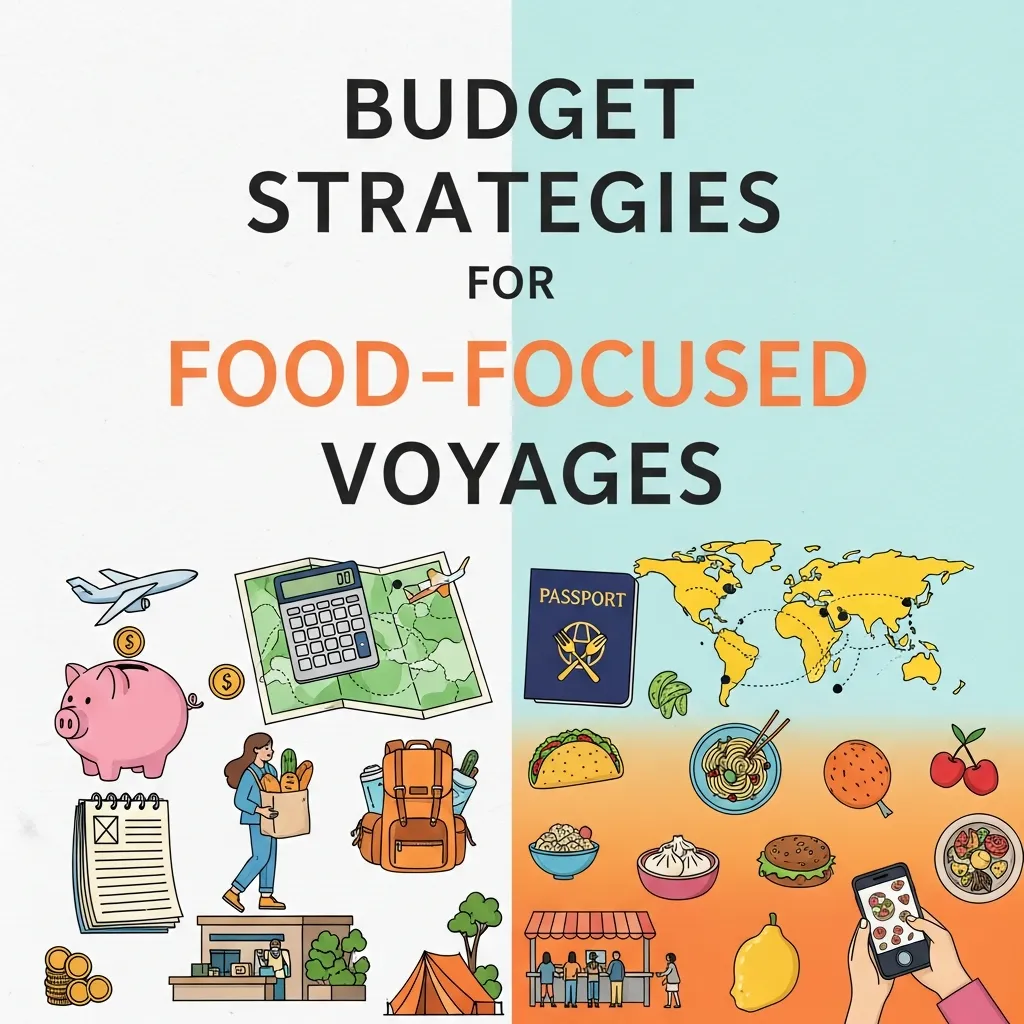
Pricing at tourist-centric restaurants can be significantly higher than that of neighborhood eateries. Seek out humble diners, food stalls, and family-run establishments where residents line up for affordable, authentic meals. Food trucks and street carts often serve as incubators for tomorrow’s top chefs, offering innovative dishes well below the cost of formal restaurants. A quick online search for “best local eateries” or consultation with residents can guide you to wallet-friendly, flavor-packed finds.
Sharing and Sampling
Ordering larger, shareable plates allows you and your travel companions to taste multiple items without placing separate orders for each. Tapas-style or meze menus are perfect for comparing textures and ingredients side by side. Splitting family-style dishes not only reduces waste but also fosters a communal dining experience, making each meal a shared adventure.
Off-Peak Advantages
Traveling during shoulder seasons often yields lower rates on accommodations and reduced crowds at popular culinary sites. Many cooking schools and tour providers offer discounted rates when demand is lower. Additionally, farmers’ markets and food festivals may host smaller crowds, allowing you more personalized attention from vendors and instructors. With flexible dates, you can capitalize on seasonal promotions and exclusive workshops.
Conclusion
In today’s world, culinary travel experiences stand out as immersive pathways to understanding cultures in a sensory-rich context. From planned market tours to spontaneous street-food discoveries, each step of your journey reveals hidden facets of history, ecology, and human creativity. By integrating careful research, respectful etiquette, and prudent budgeting, you can curate an itinerary that balances indulgence with exploration. Remember to keep your focus on the communities that nurture these traditions—when you support small producers and family-run kitchens, you contribute to cultural preservation and sustainable tourism.
Ultimately, the best memories arise from unexpected encounters—a friendly chef sharing a secret recipe, a vibrant festival celebrating local harvests, or a simple meal shared with newfound friends. Equip yourself with the right preparation, maintain an open mind, and let your taste buds lead the way. Bon voyage and buon appetito as you set out to create unparalleled culinary travel experiences this year!
Frequently Asked Questions
What is culinary travel?
Culinary travel focuses on exploring destinations through food and local cuisine. It allows travelers to experience culture, traditions, and history by tasting authentic dishes and visiting food markets.
Why is culinary travel popular?
Culinary travel is popular because food is a universal experience. It helps travelers connect with local culture and enjoy unique flavors that are not available elsewhere.
What activities are included in culinary travel?
Activities often include food tours, cooking classes, wine tastings, street food exploration, and visits to local markets and farms.
Which destinations are best for culinary travel?
Popular destinations include Italy, Thailand, Japan, France, and Mexico, all known for rich food traditions and diverse cuisine.
Can culinary travel be budget-friendly?
Yes, it can be affordable by enjoying street food, local markets, and small family-run restaurants instead of expensive dining experiences.
Do I need cooking skills for culinary travel?
No, cooking skills are not required. Culinary travel is about enjoying food experiences, although cooking classes can enhance your trip.
How can I plan a culinary travel trip?
Research local dishes, popular food spots, and food festivals. Create a flexible itinerary that includes markets, restaurants, and cooking experiences.
What should I pack for culinary travel?
Pack comfortable clothing, a notebook for recipes, reusable utensils, and space in your bag for food souvenirs.
Is culinary travel suitable for solo travelers?
Yes, solo travelers can easily join food tours, cooking classes, and meet locals through shared dining experiences.
How does culinary travel support local communities?
It supports local farmers, chefs, and small businesses by encouraging spending on authentic food experiences and local products.
Are food tours worth it in culinary travel?
Yes, food tours provide guided experiences, local insights, and access to hidden food spots that you might not find on your own.
What are the benefits of culinary travel?
It enhances cultural understanding, introduces new flavors, and creates memorable experiences centered around food.
Can dietary restrictions be managed during culinary travel?
Yes, most destinations offer options for dietary needs, but it’s helpful to research and communicate your requirements clearly.
What is the difference between food tourism and culinary travel?
They are similar, but culinary travel often focuses more deeply on cooking, traditions, and immersive food experiences.
What is the future of culinary travel?
The future includes more sustainable food experiences, farm-to-table dining, and increased interest in authentic and local cuisine exploration.