
There’s something inherently liberating about setting out on a journey where the road unspools ahead of you, the ocean breeze drifts through the windows, and every curve delivers a new panorama. Coastal road trips have surged in popularity today, offering travelers a chance to reconnect with nature, explore hidden coves, and embrace spontaneous detours. In today’s digital landscape, more adventurers are sharing their discoveries online, fueling wanderlust and inspiring others to plan their own seaside odysseys.
Whether you’re dreaming of California’s fog-kissed cliffs, Australia’s sun-soaked headlands, Italy’s pastel-hued villages perched above azure waters, or remote coastlines where wild horses roam, this year (2026) is the perfect time to map out your next escape. This guide delves into five comprehensive sections covering iconic highways, planning strategies, and expert insights that ensure your coastal road trips deliver unforgettable moments. You’ll find practical tips on timing, accommodations, and safety, along with inspiration from authoritative sources like the National Oceanic and Atmospheric Administration (NOAA) and the UNESCO World Heritage Centre (UNESCO).
Ready to chase horizons mile by coastal mile? Buckle up, fuel your senses, and let this curated collection ignite your passion for the ultimate seaside adventure.
Iconic North American Drives
Pacific Coast Highway: California’s Coastal Crown
The Pacific Coast Highway (often called PCH or State Route 1) stretches over 650 miles between Los Angeles and San Francisco, weaving through some of the most dramatic shorelines in North America. Today, drivers encounter a tapestry of rugged cliffs, radiant beaches, and historic lighthouses. Golden Gate Bridge welcomes travelers from the north, while the iconic Bixby Creek Bridge marks one of the most photographed spans worldwide. Along the way, Carmel-by-the-Sea’s fairy-tale cottages, Santa Barbara’s Mediterranean-style plazas, and the redwood forests near Big Sur offer unforgettable stops.
Highlights and Must-See Experiences
- Big Sur Cliffs: Stop at viewpoints like McWay Falls and Pfeiffer Beach for postcard-worthy scenes.
- Monterey Bay Aquarium: Explore marine life exhibits that highlight coastal conservation efforts.
- Santa Barbara Missions: Discover the region’s Spanish heritage and mission architecture.
For a seamless journey today, book accommodations early—especially around Big Sur, where lodging options fill quickly this year (2026). Aim to travel between April and June for mild temperatures and fewer crowds. And don’t forget to download offline maps or invest in a reliable GPS, as cell service can be spotty along rugged stretches.
Antipodean Coastal Gems
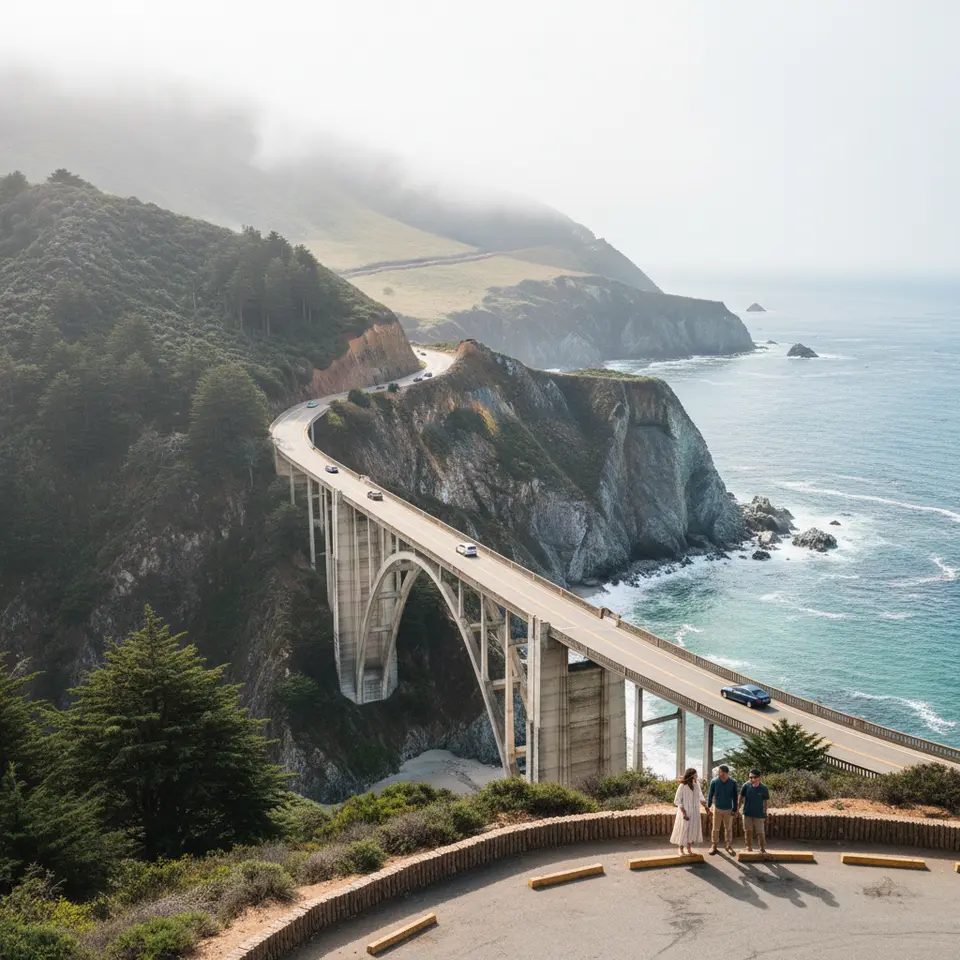
Great Ocean Road, Australia
Recognized as one of the world’s most scenic coastal drives, the Great Ocean Road spans roughly 150 miles along Victoria’s southern edge. Currently, visitors marvel at the limestone silhouettes of the Twelve Apostles at sunrise, trek through lush green canopies in Great Otway National Park, and keep watch for koalas in eucalyptus groves. Historic towns like Lorne and Apollo Bay serve as comfortable bases, each equipped with boutique cafes and surf-friendly beaches.
Coromandel and Coastal Route 1, New Zealand
On New Zealand’s North Island, State Highway 25 loops around the Coromandel Peninsula, offering views of golden sand beaches, secluded hot springs, and native bushland. Further south, Coastal Route 1 on the South Island connects Kaikōura—famous for whale watching—with Christchurch’s revitalized urban waterfront. The drive reveals dramatic cliffs, verdant farmland, and opportunities to sample fresh seafood in seaside villages.
Pro Tips for Antipodean Adventures
- Timing: Plan your trip between October and March in Australia, and December to February in New Zealand, for the best weather.
- Vehicle Choice: Consider a 4×4 for off-road tracks, especially when exploring hidden coves or entering national parks.
- Wildlife Encounters: Respect local guidelines for animal safety—observe from a distance and avoid feeding native species.
European Shoreline Splendors
Amalfi Coast Drive, Italy
The Amalfi Coast’s SS163 road clings to towering cliffs above the Tyrrhenian Sea, connecting pastel-colored villages like Positano, Amalfi, and Ravello. Today, you can sip limoncello amid lemon groves, wander cobblestone lanes, and savor traditional seafood dishes overlooking sun-dappled waters. The Path of the Gods (Sentiero degli Dei) invites hikers to traverse panoramic trails linking towns, while local artisans showcase hand-painted ceramics and indigo ceramics in artisan workshops.
Wild Atlantic Way, Ireland
Stretching over 1,500 miles along Ireland’s rugged west coast, the Wild Atlantic Way immerses drivers in wind-swept vistas, ancient castles, and the dramatic Cliffs of Moher. The route traverses County Donegal’s raw landscapes, the serene Ring of Kerry, and the towering Slieve League cliffs. Today’s travelers find lively pubs offering traditional music sessions and warm Irish hospitality at every turn.
Essential Advice for European Explorations
- Avoid Peak Season: Visit the Amalfi Coast in May or September and the Wild Atlantic Way from June to August for long daylight hours.
- Local Drivers: If narrow switchbacks feel daunting, hire a local driver or join small group tours.
- Respect the Environment: Follow Leave No Trace principles when exploring coastal trails and beaches.
Remote Adventures and Untamed Landscapes
Garden Route, South Africa
From Mossel Bay to Storms River, the Garden Route reveals a mosaic of habitats—coastal dunes, indigenous forests, and lagoon-studded wetlands. Hermanus, renowned as the world’s land-based whale-watching capital, offers guided boat tours and cliffside viewpoints. Inland, the Cango Caves showcase limestone formations aged over millions of years, while Tsitsikamma National Park beckons thrill-seekers with canopy tours and suspension bridge walks.
Iceland’s Ring Road
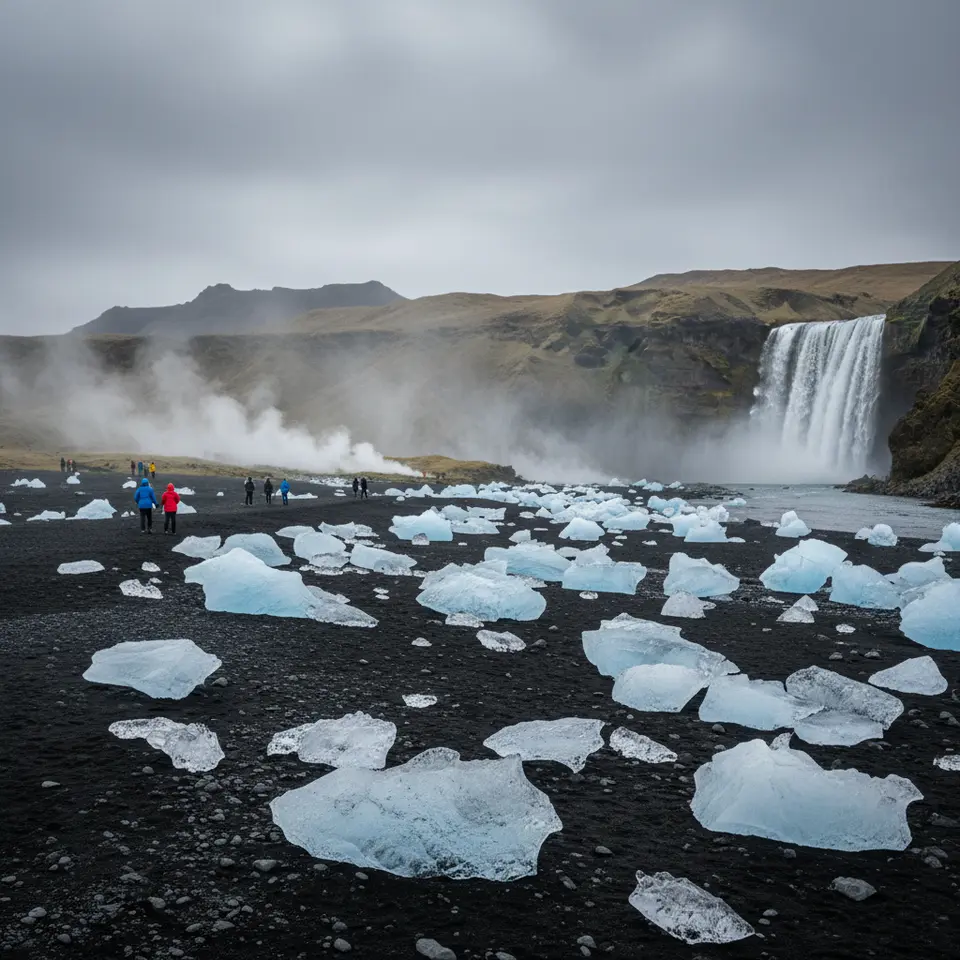
Iceland’s Route 1 (the Ring Road) encircles the island nation, uncovering glacial lagoons, volcanic craters, and black-sand beaches. Key highlights include the Golden Circle detours—Þingvellir National Park, Geysir geothermal area, and Gullfoss waterfall—and the remote East Fjords, where fishing hamlets preserve centuries-old traditions. For travelers searching for the Northern Lights, September nights offer crisp skies with fewer tourists.
Maximizing Your Expedition
- Travel Insurance: Secure coverage that includes adventure activities and weather-related disruptions.
- Road Conditions: Check official government updates—whether through South Africa’s road authority or Iceland’s road.is portal—for closures or hazards.
- Packing Essentials: Waterproof layers, sturdy hiking boots, and a high-quality camera are must-haves for capturing ever-changing coastal moods.
Essential Planning Tips for Coastal Road Trips
Timing and Seasonal Considerations
Successful coastal road trips blend logistical planning with the spontaneity that makes seaside journeys magical. In today’s fast-paced world, start by mapping out driving distances and average daily mileage. If you prefer quiet highways, opt for shoulder seasons—spring and autumn—when fewer visitors crowd popular vistas. Always verify local weather forecasts from credible sources like the National Weather Service or equivalent agencies, especially when traversing regions prone to sudden storms or coastal fog.
Technology and Navigation
While GPS apps are convenient, signal gaps can occur in remote or densely forested areas. Download offline maps from trusted platforms such as Google Maps or specialized apps like Maps.me. A portable power bank and a vehicle charger ensure you never run out of battery during critical moments. Consider a roadside assistance membership for added peace of mind.
Accommodations and Local Culture
Today’s coastal towns often feature eclectic stays—from boutique cliffside inns to eco-friendly glamping cabins. Book several weeks in advance if traveling this year (2026), particularly along in-demand routes like the Pacific Coast Highway and Amalfi Coast. Embrace local cuisine by sampling regional specialties: fresh ceviche in California, fish and chips in Ireland, bruschetta al pomodoro in Italy, and biltong in South Africa. Engaging with local markets and producers not only enriches your experience but supports community sustainability.
Sustainability and Responsible Travel
Coastal ecosystems are delicate. Practice responsible travel by minimizing plastic waste, staying on marked trails, and respecting wildlife habitats. Initiatives such as beach cleanups and reef-safe sunscreen protect marine life for future generations. Learn about conservation efforts through reputable organizations like the Marine Conservation Institute or NOAA’s Ocean Service to deepen your connection to each coastline.
Frequently Asked Questions
When is the best time to embark on a coastal road trip?
The ideal season varies by region. For North America’s Pacific Coast Highway, aim for spring (April to June). In Australia and New Zealand, October through March offers warm weather, while Europe’s Amalfi Coast is best in May or September. Always check local forecasts and consider shoulder seasons to avoid peak crowds.
How do I prepare for remote stretches with limited services?
Carry extra fuel, water, and snacks. Download offline maps, pack first-aid and basic repair kits, and inform someone of your itinerary. A satellite communicator or roadside assistance membership can be invaluable in emergencies.
What should I pack for varying coastal climates?
Layered clothing is essential—waterproof jackets for fog or rain, breathable fabrics for warm days, and sturdy footwear for hikes. Don’t forget sun protection, insect repellent, and a reusable water bottle to stay hydrated.
How can I book accommodations along popular coastal routes?
Reserve lodging several weeks in advance, especially for high-demand areas like Big Sur or the Amalfi Coast. Consider alternative stays—campgrounds, glamping sites, or countryside B&Bs—to diversify your experience and often secure better rates.
Conclusion
Coastal road trips epitomize the spirit of exploration, offering a blend of awe-inspiring landscapes, cultural discoveries, and uncharted detours. From California’s storied Pacific Coast Highway to Ireland’s Wild Atlantic Way, each route invites you to forge your own narrative against the backdrop of endless horizons. By planning thoughtfully—considering timing, accommodations, and environmental impact—you can ensure a rewarding voyage that resonates long after the engine cools.
As you prepare your itinerary for this year (2026), let the rhythm of the tides guide your decisions and the call of the open road spark moments of serendipity. Whether you chase sunrise over limestone stacks or wind your way past forested fjords, these coastal road trips promise memories that linger like ocean spray on the lens of your camera. Pack your bags, chart your course, and embrace the freedom that awaits along every shore.